Through mime, dance, and art, Barbara Mathews has discovered powerful tools for movement, connection, and joy.
About the Presenter
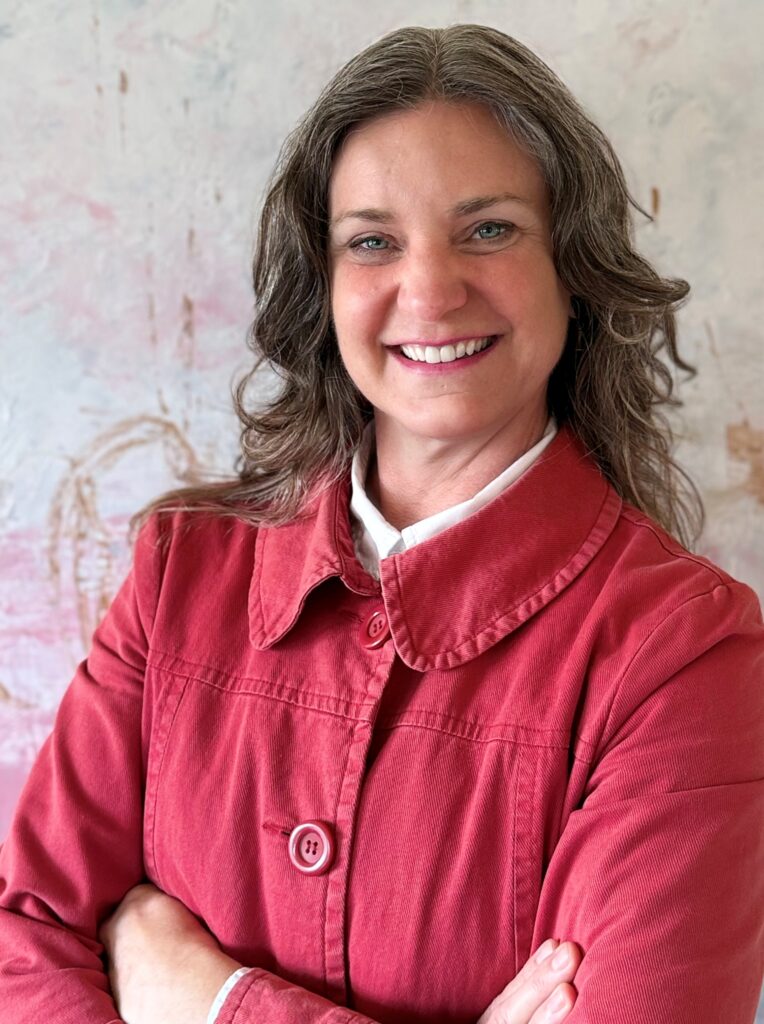
Barbara Salsberg Mathews is an artist, educator, author, and advocate dedicated to living well with Parkinson’s Disease. She was diagnosed in 2020. Barbara graduated from Ontario College of Art [OCADU], earned her M.Ed. from the Ontario Institute for Studies in Education and taught visual and dramatic arts in high schools for over 25 years. Since retiring as Head of Visual Art from Toronto Board’s Northern Secondary School, Barbara now lives with her husband in Guelph where she continues to volunteer and create art.
This webcast is brought you our platinum sponsor:
June 29, 2026
Art is often regarded as something reserved for people with special talent and training. In reality, it is a form of communication, and many of us use it to turn our feelings, thoughts, and experiences into something meaningful.
For those living with Parkinson’s, art can be especially beneficial. It offers a space to focus on imagination and creativity, which is great for stress-busting, mood-lifting, and social connection.
Art as self-expression A brushstroke, poem, song, photograph, or dance can convey grief, humor, hope, memory, and beauty in ways that plain speech never could. Art provides another language. One that is intuitive and cerebral, and may even unearth some of your deepest feelings. If this sounds intimidating, remember that creative expression does not have to be polished or shared publicly. Its value often comes from making something that feels authentic. Art can be a wonderful path to self-discovery!
Start small Art does not require a major commitment. Try five or ten minutes a day. Keep a notebook, colored pencils, watercolor set, camera, or voice recorder within easy reach when you have some leisure time. Choosing tools that feel comfortable and appeal to you increases the likelihood that you’ll use them. The goal is a moment of expression when inspiration strikes. This may lead to drawing shapes while listening to music, writing a few short lines that describe your day, photographing an interesting subject nearby, or singing a favorite song. Follow your instincts and let ideas flow through you.
Forget perfection One barrier to creativity is the belief that the result has to be impressive. It does not. Many brilliant artists are not formally trained and have unique traits that influence their techniques. Imperfections do not make the work less meaningful. Instead of asking, “Is this good?” ask, “How did this feel?”
Support routine Pair creativity with an existing habit. After breakfast, sketch something. While on your daily walk, focus on your surroundings and look for an interesting photo opportunity. During a daily chore, listen to music and embrace the mental images it inspires. As you wind down in the evening, choose one image, motif, or piece of music that captures your imagination and think about how you might translate it to another medium. Don’t let it become stressful. Oftentimes the best ideas come from a relaxed mind that isn’t working too hard.
Create with others One of the biggest rewards of creating art is building a bridge to the community. Classes, programs, workshops, and informal gatherings centered on artistic pursuits connect likeminded individuals who all want to explore their creativity. They can offer connection without pressure to perform, and are often inclusive spaces that welcome diverse perspectives. Family members and care partners can participate as well. You never know what you might discover about yourself or what new friends you might meet! The myth of the lone artist rarely reflects reality. Most artists enjoy collaborating with one another and sharing ideas.
Notice the ordinary Creativity extends beyond the act of creating. It means being intuitive and reflective. Problem-solving and paying attention to your environment exercises your creative muscles before you ever pick up a pencil, brush, or camera. Artists observe the world around them: the color of the sky, the rhythm of footsteps, the texture of a blanket, the sound of rain, and the expressions on the faces of strangers are all daily sources of inspiration.
Ready to jumpstart your creativity? Join us for Craft and Chat every month!
June 18, 2026
Though Parkinson’s disease commonly affects movement, speech, handwriting, energy, and the daily routines that creative work often depends on, artists are experts at adapting to challenges and overcoming them. Across literature, painting, design, music, and illustration, many talented creators have continued to thrive after diagnosis.
These artists’ stories are not intended to minimize the reality of Parkinson’s. They are about recognizing the many ways creativity perseveres, and the surprising ways in which PD has shaped art and culture.
Daniel Barenboim: The Conductor Still Dedicated to Music
Daniel Barenboim, one of the most influential classical musicians of the current era, announced in 2025 that he has Parkinson’s disease. His career as a pianist, conductor, and cultural bridge-builder spans more than seven decades, and throughout that time he has led major institutions, including the Berlin State Opera, the Chicago Symphony Orchestra, and La Scala, while also co-founding the Barenboim–Said Academy with the scholar Edward Said. After announcing his diagnosis, he pledged to maintain as many professional commitments as his health permits, and to continue conducting the West-Eastern Divan Orchestra as long as he is able.
Sonia Rykiel: The Fashion Designer Who Revolutionized Comfort
French fashion designer Sonia Rykiel was known as the “Queen of Knits” for good reason. Her striped sweaters, relaxed silhouettes, and playful sensibility helped reshape modern womenswear. She was also an accomplished writer and interior designer. She lived with Parkinson’s for two decades and eventually spoke publicly about the disease after keeping it private for many years, referring to PD as putain de Parkinson’s.
That Rykiel’s work was rooted in ease, movement, and self-expression makes her legacy especially resonant in the context of Parkinson’s. She designed clothes that rejected stiffness and constraint, and invited women to inhabit their bodies comfortably. Her story is also a reminder that disclosure is a personal decision and there is no right or wrong way to do it. Some people speak openly about Parkinson’s right away. Others need time. Both paths deserve respect.
Ba Jin: The Literary Giant Who Witnessed a Century
Ba Jin, a major figure in modern Chinese literature, lived to be 100 years old after a life shaped by writing, translation, political activism, and public reflection. He is best known for works such as The Family, which helped define 20th century Chinese fiction, and was so influential during the Cultural Revolution that the Shantou Cultural Revolution Museum displays a depiction of him at its entrance.
Ba Jin developed Parkinson’s disease in the early 1980s. In later life, the illness limited his mobility and speech, but his literary legacy remains immense.
Fiona Davis: The Novelist Turning History Into Living Stories
Fiona Davis, a New York Times bestselling author of historical fiction, was diagnosed with Parkinson’s in 2020. Her novels often center on iconic New York City buildings, transforming places such as the New York Public Library and Radio City Music Hall into backdrops for exciting stories.
Davis has spoken publicly about her diagnosis and about continuing to write while managing symptoms. Her openness is genuinely inspiring. For writers, Parkinson’s may affect typing, energy, concentration, and the necessary routines that support completing a lengthy project. It takes a significant amount of determination and grit to stay productive amidst those challenges.
Peter Dunlap-Shohl: The Cartoonist Who Drew Parkinson’s From the Inside
Cartoonist Peter Dunlap-Shohl continued drawing after finding out he had Parkinson’s at age 43 and decided to depict the experience of living with the condition in his work. His memoir My Degeneration employs humor, candor, and visual storytelling to demystify Parkinson’s and invite others into a deeper understanding of it.
Cartooning is a particularly compelling medium for this subject. A line can shake, bend, exaggerate, and reveal what words alone may miss. Dunlap-Shohl has a few words of encouragement for those who are living with Parkinson’s and contemplating the pursuit of artistic endeavors:
Go for it. People on Levodopa therapy, the most effective treatment for PD, often develop creative urges they would not have otherwise: writing books, doing paintings, quilting, etc. Why would you not take advantage of this new possibility for self-expression? You may not have the manual dexterity of Michaelangelo, or the raw talent of Raphael, but let’s face it, hardly anyone does.
Ready to learn more about art and Parkinson’s and dive into some joyful creativity? Join our upcoming webinar with artist, educator, and author Barbara Salsberg Mathews for an inspiring conversation about how creative expression can transform life with Parkinson’s.
June 6, 2026
The Brian Grant Foundation would like to introduce our next Executive Director, Chelsea King. Chelsea is a leader who is rooted in community, with a deep commitment to mission-driven work.
Most recently, Chelsea was the founding Executive Director of the Oregon Health and Education Collaborative, a statewide organization that brings together healthcare and education partners to improve outcomes for Oregon youth.
Chelsea’s professional background includes teaching as an adjunct professor at Portland State University and Linfield University. She also founded the coaching and consulting firm, Heart Centered Work, with the mission of cultivating trusting and productive workplace cultures. Additionally, Chelsea served as a Director on the West Linn-Wilsonville School Board (2015- 2023).
While Chelsea’s professional experience is important, she also is committed to the mission of empowering people impacted by Parkinson’s Disease to live active and fulfilling lives. Focusing on the whole person- mind, body and spirit- is a value that will inform Chelsea’s work with the individuals, families, and communities served by the Brian Grant Foundation. We are grateful for her leadership and look forward to the work ahead.
Please join us in welcoming Chelsea to the Brian Grant Foundation!
Autonomic dysfunction can affect many everyday functions in Parkinson’s, from blood pressure and digestion to temperature regulation and bladder control. In this webcast, Dr. Michelle Dagostine, a movement disorder specialist, educates us on what this is and what we can do about it.
About the Presenter
Dr. Michelle Lavallee Dagostine is a movement disorder specialist with Hartford HealthCare Medical Group and is part of the Chase Family Movement Disorder Center. Dr. Lavallee Dagostine was the associate director of clinical research at the Institute for Neurodegenerative Disorders for several years prior to joining Hartford HealthCare in her current role. She sits on the board of the American Parkinson’s Disease Association, CT chapter, and is passionate about educating her patients and their families.
This webcast is brought you our platinum sponsor:
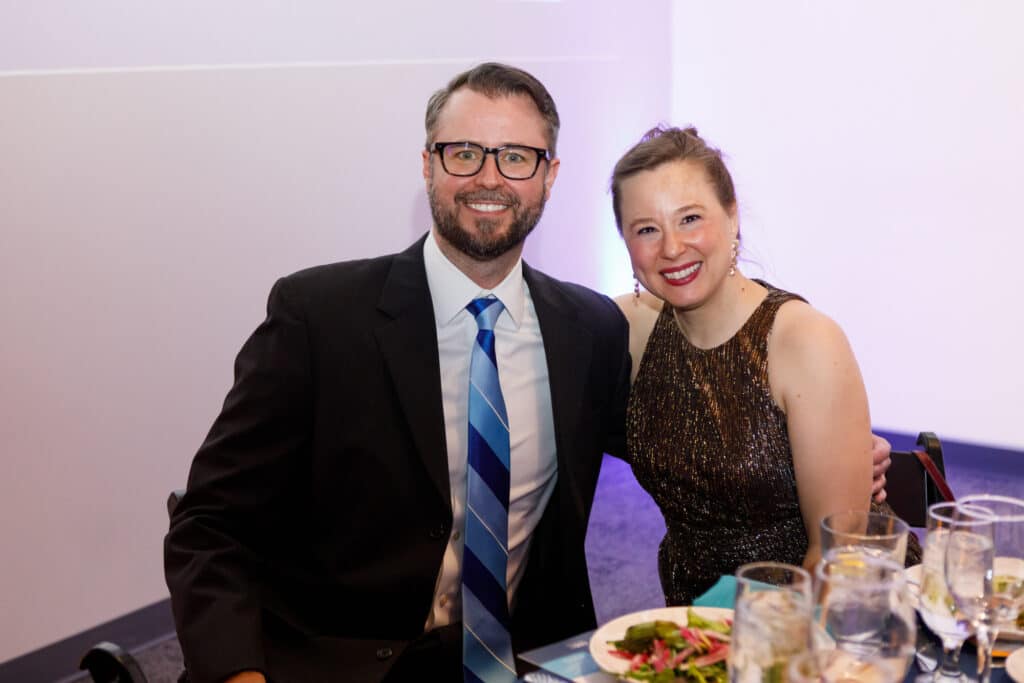
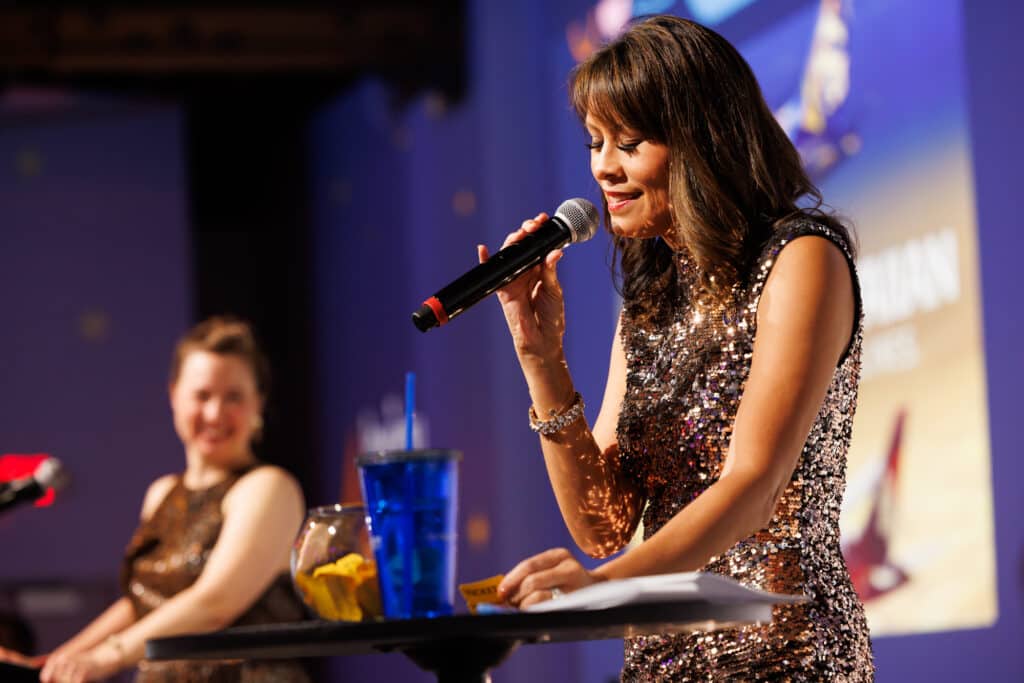
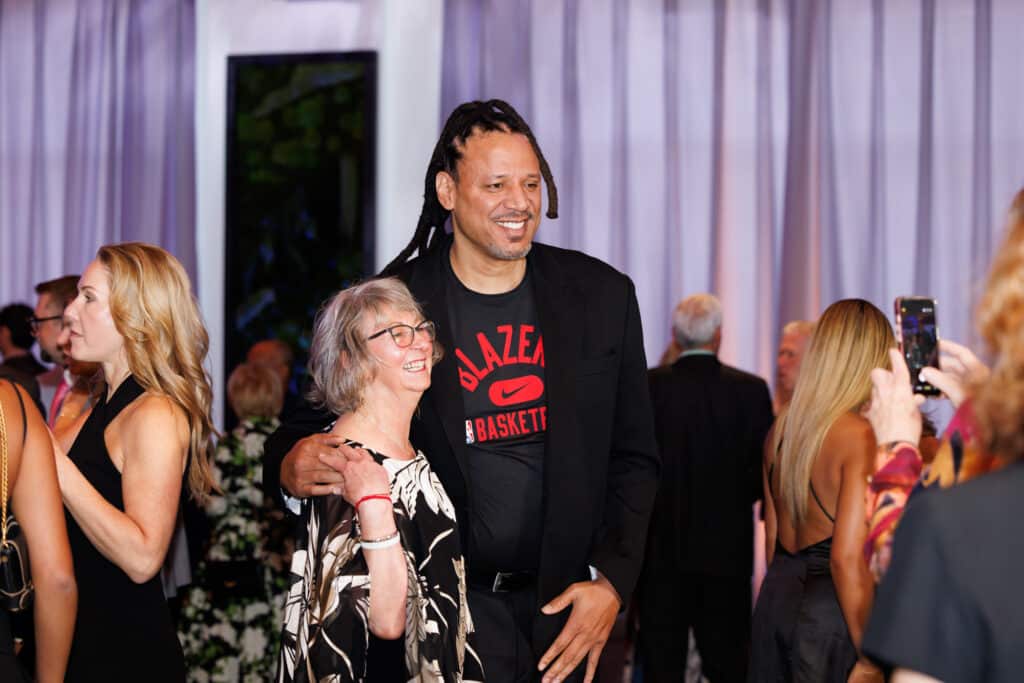
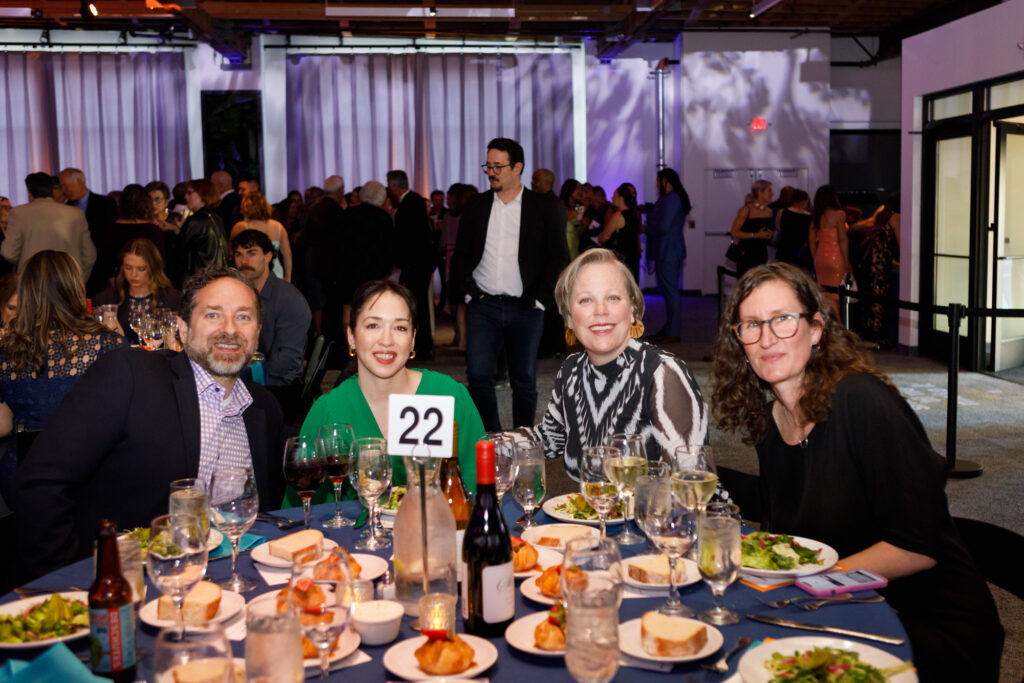
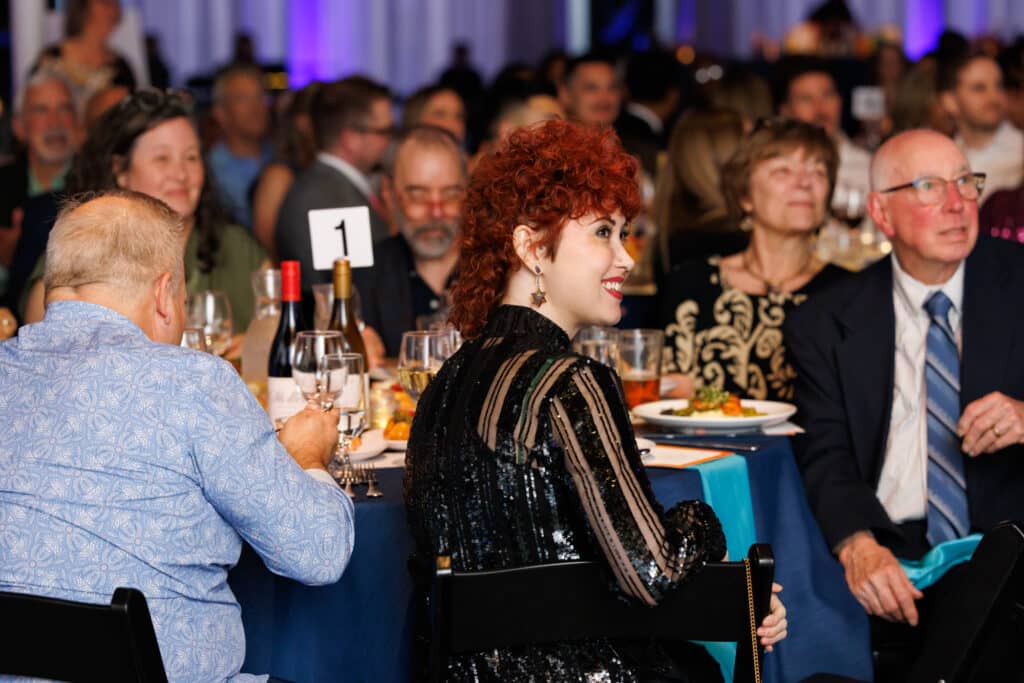
Huge thanks to our sponsors, guests, and many other supporters who made our 16th annual Shake It ‘Til We Make It gala a huge success! Our mission is to empower people impacted by Parkinson’s disease to lead more fulfilling lives. Our programs are made possible by contributions from individuals. If you’d like to contribute, there’s still time to donate!
Sweating is a common yet often ignored aspect of Parkinson’s disease. While movement-based symptoms like tremor and gait changes tend to define the condition, Parkinson’s also disrupts the autonomic nervous system, which is responsible for regulating involuntary bodily functions such as heart rate, blood pressure, digestion, and temperature control. This leads to an array of surprising and sometimes underreported symptoms.
How Parkinson’s Affects Sweating Sweating is controlled by the sympathetic branch of the autonomic nervous system. The degeneration of the neural pathways that involve alpha-synuclein impairs nerve signaling and causes the system to malfunction. As a result, people with PD may experience:
Excessive sweating (hyperhidrosis) – often affects the upper body or occurs at night
Reduced sweating (hypohidrosis) – may inhibit temperature regulation
Fluctuating sweating patterns – sometimes linked to medication cycles
These changes reflect underlying dysregulation in how the body maintains homeostasis, and while the symptoms vary widely, several patterns are frequently reported:
“Off” Period Sweating Many people experience a return of Parkinson’s symptoms when medications wear off, and sweating can be one of them.
Night Sweats Disrupted autonomic regulation during sleep often leads to significant nighttime sweating, sometimes severe enough to require changing clothes or bedding.
Upper Body Hyperhidrosis Sweating may be concentrated in the head, neck, and chest, leaving the rest of the body relatively dry.
Heat Intolerance Hypohidrosis can make it difficult for the body to cool itself, lowering one’s tolerance for hot environments.
Because sweating abnormalities can interfere with sleep, increase the risk of dehydration, affect skin integrity, and signal fluctuations in medication effectiveness, they are more than a minor inconvenience and should be taken seriously. There is currently no single treatment, but several approaches can help manage it, including optimizing medications and implementing lifestyle changes. Here’s a quick list of things your provider may recommend:
Anticholinergic medications and botulinum toxin (Botox) injections to reduce sweating
Wearing breathable, moisture-wicking fabrics to keep the body cool and dry
Using fans and cooling towels to regulate body temperature
Maintaining a stable ambient temperature whenever possible
Increasing fluid intake to stay hydrated
When to Talk to Your Provider You should raise sweating concerns with your care team if symptoms interfere with daily life, occur in predictable cycles, or are accompanied by dizziness and fatigue. Sweating changes rarely occur in isolation and often accompany other autonomic symptoms such as blood pressure fluctuations, gastrointestinal issues, and urinary dysfunction. It’s important to take the whole constellation of symptoms into account when making treatment decisions and reach out to the appropriate specialists.
To learn more about how autonomic dysfunction manifests in Parkinson’s, register for our upcoming webcast with Dr. Michelle Dagostine.
May 1, 2026
Constipation is a common non-motor symptom of Parkinson’s disease (PD), and for many people it appears early and persists long term. It may even declare itself before movement symptoms. Because the autonomic nervous system controls involuntary processes, digestion and peristalsis are often the first casualties of autonomic dysfunction, which affects up to 80% of Parkinson’s patients. Constipation is further exacerbated by other factors:
Reduced Awareness People with PD may not feel or respond to the urge to have a bowel movement as frequently.
Decreased activity Less movement can reduce intestinal activity, leading to even slower motility
Dietary factors Low fiber intake and inadequate hydration can make stools harder and more difficult to pass
Stress Elevated cortisol and anxiety can worsen all PD symptoms, including digestive ones
Toilet posture Body positioning affects how easily stool passes, and optimal positions for evacuation may be difficult to maintain
Constipation is more than an inconvenience. It can lead to bloating, abdominal discomfort, and reduced appetite. In some cases, it may interfere with how medications are absorbed or create intestinal blockages. Because it’s linked to autonomic dysfunction, constipation can also be a signal that broader regulatory systems in the body are affected, which should prompt evaluation from your care team. It’s not uncommon to discover new symptoms while investigating existing ones.
Strategies to Manage Constipation As disruptive as it can be, constipation is usually manageable. A combination of lifestyle adjustments and medical support can significantly improve motility. Increasing fiber intake adds bulk to stool, with fruits, vegetables, whole grains, and bran standing out as the most effective options. Adequate hydration is equally important. Aiming for consistent fluid intake throughout the day helps keep stool soft and easier to pass, while establishing consistent times for meals and bathroom use can help regulate bowel patterns. Warm beverages in the morning may help activate the digestive system. Many individuals find that coffee is especially effective for stimulating bowel movements. Natural remedies like prune juice and senna tea are also popular. Probiotic-rich foods such as yogurt, sauerkraut, and kimchi may support overall gut health, aiding motility in a more indirect way.
Regular physical activity stimulates intestinal movement as well. Even low-impact activities like walking or stretching can be beneficial. Abdominal massage, performed in a circular motion following the path of the colon, encourages intestinal contractions when used in conjunction with exercise. And finally, while evacuating, try elevating your feet on a small stool to bring the knees above hip level and simulate a squatting position. This makes it easier for stool to pass.
When to Seek Medical Guidance If constipation persists despite lifestyle changes and dietary adjustments, consult a healthcare provider. They can evaluate contributing factors, adjust medications if needed, and recommend appropriate treatments. Every person is different and there’s no one-size-fits-all remedy for constipation. It may take a little trial and error to find the best plan for you.
The SPARX clinical trials are reshaping how we understand exercise and Parkinson’s disease. Join the Brian Grant Foundation for a conversation with lead researcher Dr. Dan Corcos to learn how different exercise types and intensities may impact Parkinson’s progression, and what this research means for people living with PD.
About the Presenter
Daniel Corcos, PhD obtained a doctorate in motor control from the University of Oregon. His research interests focus on helping people with Parkinson’s disease (PD) improve their quality of life, mobility and cognition and slowing disease progression. His group develops interventions (such as resistance exercise, endurance exercise, stretching and balance training) that aim to reduce the symptoms of the disease and delay the rate at which the disease progresses. Within this context, Dr. Corcos uses exercise interventions for which the “dose” (frequency, intensity, time and type) can be precisely controlled to achieve these goals and he develops and integrates laboratory-based interventions that people with PD can employ in their local community. He is also interested in developing outreach programs that ensure the inclusion of diverse population of participants his studies and fostering outreach programs that impact minority communities.