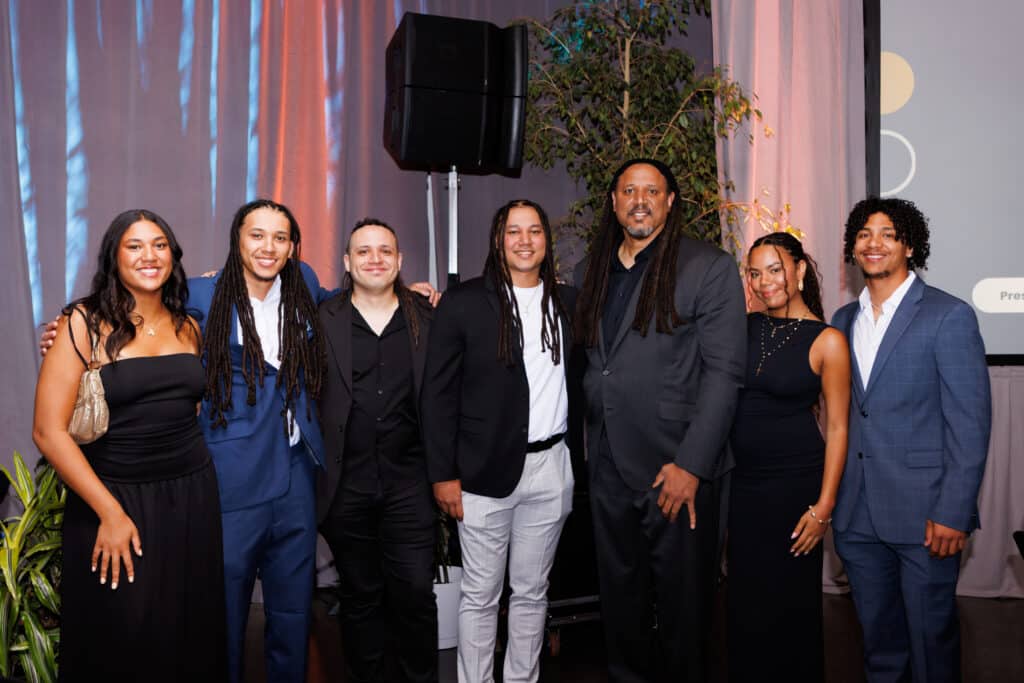
It’s almost that time of year again! Join us for a night in celebration of the Brian Grant Foundation on Friday, April 24, 2026 by clicking here to learn more about our 16th annual fundraising gala and purchase your ticket.
We can’t wait to see you there!
January 1, 2026
With the arrival of the new year, most of us are making goals and looking toward the future. We all have areas of our lives that need some improvement, but it can be a daunting task to take those improvements seriously and execute on a plan. One of the biggest mistakes is trying to tackle everything at once: sleep, diet, exercise, mindfulness, social life, etc. That’s when you end up feeling overwhelmed. Tangible progress comes from choosing one area that needs the most attention and directing your energy there. Here’s how to identify your highest‑impact changes and build a manageable plan.
Take a Personal Inventory
Do I wake up feeling rested most days?
Are my dietary choices supporting my energy needs?
Am I moving my body consistently?
Which areas of my social life feel neglected?
Which areas of my personal life bring me down?
What have I been putting off?
Notice which questions provoke the strongest emotional response or would make the biggest difference if improved. Take a moment to visualize how you’d feel if those differences became a reality. If it helps, ask for a second opinion from a loved one and consider ranking your options in order of importance so that once the first item is checked off the list, you can move to the next one. That will help you nest your goals and keep up the momentum!
Identify Barriers
Once you’ve chosen which area of your life to focus on, discover what has been holding you back. Is it time, routines, motivation, environment, opportunity, others’ expectations, or a lack of structure? Define what positive change would look like in the next month, three months, six months, and twelve months, and brainstorm ways you can remove the barriers to pursue the goal..
Create a Simple Plan
When putting together your action plan, aim for small, consistent choices that add up over time and help you build habits. Once something becomes routine, it requires much less effort and intentionality to achieve. It’s just a matter of adjusting and refining it. Here are examples from five common lifestyle changes:
Sleep Set a steady sleep/wake time and create a short wind‑down routine.
Diet Add one nutritious food daily and prep one meal ahead of time.
Exercise Start with 10–20 minutes of enjoyable movement a few times per week.
Mindfulness Try a 5-minute breathing exercise every evening.
Socializing Reach out to one person weekly for a phone call or short visit.
Monitor Progress Realistically
In the beginning, progress can be difficult to measure. One of the biggest pitfalls is expecting too much too soon. Look for signs like improved energy, better mood, reduced stress, or stronger relationships. Pay close attention to your physical and emotional states. Are you feeling better overall, even if by a small margin? An upward trend is the best indicator things are working. Remember to treat yourself with kindness and understanding. Some days you won’t have enough energy to fulfill an item in your action plan, and that’s ok. Your commitment to the greater effort is more important than adhering to a strict day-to-day regimen. Success accumulates!
By choosing one priority instead of many, you create clarity, momentum, and meaningful change one focused step at a time.
Pain is a common non-motor symptom of PD. While pain can occur at any stage, in early PD it may be the most noticeable non-motor symptom, and it can be very disruptive to daily life. Watch the video to learn about the role pain plays in PD, the different types of pain, and approaches to managing it.
About the Presenter
Jori Fleisher, MD MSCE FAAN is a movement disorders neurologist and Associate Professor of Neurological Sciences at Rush University Medical Center. She co-directs the Rush Parkinson’s Foundation Center of Excellence and leads the Rush Advanced Interdisciplinary Movement Disorders Supportive Care (AIMS) Clinic, CurePSP Center of Care, and Lewy Body Dementia Association Research Center of Excellence. Dr. Fleisher completed her neurology, global health equities, movement disorders, and epidemiology training at the University of Pennsylvania. She has additional training in palliative care, health services and implementation research, and advocacy leadership.
Supported by the NIH, foundations, and philanthropy, Dr. Fleisher’s own research focuses on designing and implementing novel models of care and support for people living with neurodegenerative disorders, including interdisciplinary care, home visits, telemedicine, and peer mentoring. She serves as a co-investigator on several national NIH-funded studies in Parkinson’s and Dementia with Lewy Bodies, and improving emergency department care and transitions for people living with dementia. She is dedicated to, and has been recognized, for her advocacy, mentoring, and outreach.
Curious about the World Parkinson Congress and want to connect with others in the Pacific Northwest planning to attend? This a special webinar featuring WPC Ambassadors from our region.
The World Parkinson Congress is coming to Phoenix in May 2026. Whether you’re considering going for the first time or are a returning participant, this presentation provides helpful perspectives on how the WPC can inspire, educate, and empower people living with Parkinson’s and their care partners.
About the Presenters
This webinar is brought to you in partnership with APDA Northwest, Brian Grant Foundation, CND Life Sciences, Northwest Parkinson’s Foundation, and Parkinson’s Resources of Oregon.
Last year, Sam Cohen described his Parkinson’s journey, which started with his diagnosis in 2023 at the age of 37. The diagnosis created a lot of uncertainty for this young father of two, but with the help of the people in the Brian Grant Foundation’s Young Onset Parkinson’s Disease group, Sam found a community to support him.
Today, Sam is enjoying life with his family, with gratitude for the support he’s received from our community. In his own words:
My parents just celebrated their 50th anniversary in August, so our family went on a big camping trip down to the Sierra Nevada mountains in Eastern California, where they met.We’re always trying to do more as a family and take advantage of the opportunities to have memorable experiences.
I also started dating last September, and now I’ve been with my girlfriend for over a year. We met for brunch and have been together ever since. It’s brought me happiness, and in my personal life I finally feel like I have some forward momentum again.
I went through a dark time when things were going sideways with my family and I didn’t know what the future would look like. Now there is a light at the end of the tunnel, and with the support of the Brian Grant Foundation, I feel like I’m managing my Parkinson’s.I don’t have to think about it constantly, and it doesn’t have to affect everything. I’m really grateful for that.
I want people to know the value of the Brian Grant Foundation. Everyone I’ve seen join the groups or engage with BGF ends up really connecting and getting something meaningful out of it. I also attended the gala this year, which was a phenomenal experience. One of Brian’s children thanked me for being involved. It meant a lot coming from them. It’s nice to know I’m making a positive impact.I don’t know what the next step is,but I’ll cross that bridge when I get to it. And thanks to the BGF community, I’ll have the support and experience of a lot of good people when I do.
As we approach the new year, we hope you’ll consider donating to support our community. Your gift helps those living with Parkinson’s move forward and find their light at the end of the tunnel.
November 21, 2025
While the holidays bring laughter, conversation, and connection, for those living with Parkinson’s, social gatherings can feel a bit more challenging. Speaking, being heard, and staying engaged aren’t always effortless. With a little planning and a few handy strategies, you can navigate the season with confidence and connection.
Recognize What’s Changed
Speech and communication‑related changes in Parkinson’s are often subtle at first. Your voice may become quieter or harder to project. In group settings or noisy environments, joining conversations may be more difficult. Pay attention to changes in articulation, breath control, multitasking (walking while talking), and whether others are straining to hear you. Awareness is empowering. When you recognize these changes and prepare for how they will impact your social engagements, you can make mindful decisions to help you feel more at ease.
Why Holidays Are Tricky
Large groups + more background noise = greater effort to be heard, even for people without Parkinson’s. Socializing in busy settings uses more cognitive and vocal energy, and due to the emotionally intimate nature of spending time with friends and family, there’s often an expectation of “easy” conversation (quick banter, storytelling, sharing jokes), which may be frustrating when those moments don’t flow as smoothly as they used to. Instead of a daunting challenge, these are cues to prepare ahead. A few thoughtful adjustments can help transform potentially stressful situations into meaningful, joyful experiences.
Strategy Checklist
Here is a quick reference guide to use before your next gathering:
After the event, ask yourself “What went well?” and “What could I adjust next time?” to build confidence for future gatherings.
Plan ahead. Choose which events you’ll attend and set clear arrival and departure times.
Practice voice warm‑ups like reading aloud and singing the day before and on the way to the event.
Identify one trusted person you’ll talk with early on as a warm‑up conversation.
Set realistic goals and be mindful of your energy levels.
Take breaks. After 45 minutes to an hour, move to a quieter area and take a moment to regroup.
Let loved ones know early in the conversation that you may be quieter or need more time to respond. Don’t be afraid to state your preferences and needs. Self-advocacy goes a long way!
Ask your host to reduce competing noise such as TVs, music, and rambunctious children whenever possible.
The holidays don’t have to be draining or frustrating. Remember that your presence matters more than perfect conversation. The people who care about you value your company, laughter, and warmth. With a little preparation and support, you can enjoy the festivities to the fullest and connect with those who matter most.
Cognitive impairment can affect people with Parkinson’s. The changes in the brain that lead to motor symptoms can also result in slowness in memory and thinking. Dr. Erin Foster discusses the impact of cognitive dysfunction on daily life and cognitive rehabilitation approaches.
About the Presenter
Erin Foster is an Associate Professor of Occupational Therapy, Neurology, and Psychiatry at Washington University School of Medicine in St. Louis, MO, and a rehabilitation researcher with special expertise in daily function, activity performance, and community participation among people with Parkinson disease. Dr. Foster received her clinical doctorate in Occupational Therapy, PhD in Rehabilitation Science, and completed postdoctoral training in clinical investigation and cognitive science at Washington University School of Medicine. She directs the Cognitive and Occupational Performance Laboratory, which generates knowledge to guide the development of more effective and comprehensive rehabilitation programs for people with neurological disorders and cognitive dysfunction.
This special webinar features Todd D. Levine, MD, Chief Medical Officer and Co-Founder of CND Life Sciences and the Syn-One Test®, a groundbreaking diagnostic tool that uses skin biopsies to detect abnormal alpha-synuclein, the protein linked to Parkinson’s disease and related conditions. Dr. Levine also shares insights on what’s on the horizon for future diagnostic developments and what this could mean for earlier detection, more accurate diagnoses, and improved care for people living with Parkinson’s.
We are deeply saddened by the passing of our dear friend and former board member, Gerry Pigotti, on Thursday, October 23, 2025.
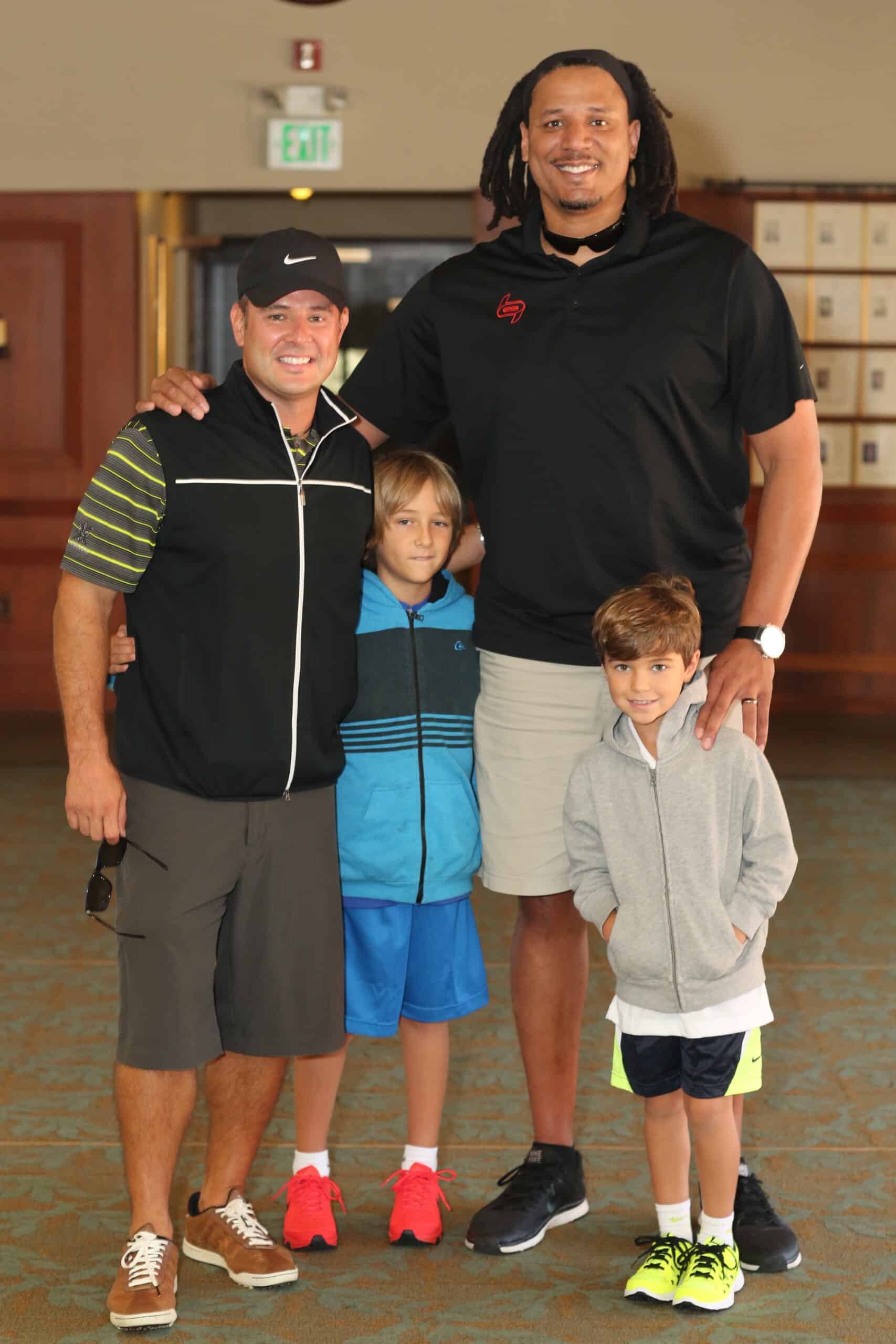
Gerry was diagnosed with Young Onset Parkinson’s Disease in his early 30s, and from that moment on, he dedicated himself to helping others lead active and fulfilling lives with Parkinson’s. In addition to his generous personal contributions, he also hosted an annual golf tournament benefitting the Brian Grant Foundation from 2013-2017, raising funds and bringing together friends to support our programs for the Parkinson’s community.
In addition to his fundraising efforts and his family’s generous personal contributions, Gerry served on our Board of Directors from 2021 to 2023, lending his expertise in business development to help us successfully restructure programs during the pandemic and create a strategic plan to grow our impact. His leadership and insight played a vital role in shaping the future of our organization.
Gerry was more than a supporter—he was an incredible friend to Brian and to everyone at BGF. His generosity, kindness, and unwavering commitment to our mission were truly unprecedented.
Gerry will be greatly missed, but his spirit, compassion, and dedication will continue to inspire us and guide our work for years to come. In lieu of flowers, Gerry’s family asks that donations be made to the Brian Grant Foundation in his memory. You can make a donation online by clicking this link. When making a gift online, please select the checkbox for “Give in honor/memory” to indicate your tribute to Gerry. Donations may also be made by check, mailed to:
Brian Grant Foundation 650 NE Holladay Street, Suite 1600 Portland, OR 97232
We are forever grateful for Gerry’s commitment to the Parkinson’s community and for the lasting difference he made in the lives of so many.