“Parkinson’s Diva” Maria De León –Specialist, Caregiver, and Person with Parkinson’s Offers Her Advice
Maria De León, MD had no intention of becoming a doctor. She began her studies in neuroscience, where she gained an interest in Parkinson’s. That led to many years studying and training to be a neurosurgeon. But when Maria realized that her “people person” nature was more suited to neurology, she changed her focus and became a movement disorders specialist.
“I wanted to be able to meet people, talk to them, and get to know them,” Maria says. “So, my passion became neurology.”
While Maria was finishing her fellowship, her grandmother started developing Parkinson’s symptoms. Maria was the doctor who diagnosed her with the disease. In the last year of her grandmother’s life, she lived with Maria, who became her full-time caregiver.
“I learned how difficult it is to care for someone,” Maria says. “I started focusing on the unmet needs of caregivers and family members and it really opened up my practice.”
It wasn’t long after her grandmother passed that Maria started noticing hew own symptoms of Parkinson’s. While examining her patients, Maria realized that she was having a hard time tapping her fingers, walking straight, and balancing. She also started to notice problems with her handwriting.
“Doctors are known for their atrocious handwriting,” Maria says with a laugh. “But when I really couldn’t read my own handwriting and nurses were writing my notes and prescriptions, I realized I most likely had Parkinson’s.” Despite Maria’s specialty training in Parkinson’s and family history of the disease, it took three years for her to finally receive a diagnosis.
“I attribute 90% of the difficulty in receiving a diagnosis to being a woman,” Maria says. “I had doctors that would just dismiss me, saying it was stress or that I was overidentifying with my patients. I had one doctor who just walked out.”
The experience mirrored her early days as a movement disorders specialist, when Maria had to work hard to be respected and trusted by her male counterparts.
“Being a young, Hispanic woman in a field where most of the specialists are male was really hard,” Maria says. “There was a lot of discrimination and, initially, I was challenged all the time. I even received a book about Parkinson’s from another doctor who didn’t trust me. I’m a trained specialist, and they handed me a book on Parkinson’s.”
Maria eventually earned the trust and respect of her colleagues. But when she developed symptoms, the same people who trusted her as a physician didn’t believe she had Parkinson’s.
After seeing many doctors, Maria finally received a diagnosis. She wasn’t shocked she had Parkinson’s. But she was shocked at how well Sinemet worked, particularly for her pain and visual problems that, at the time, weren’t known symptoms of Parkinson’s.
“When I finally had a diagnosis and started taking meds, lo and behold, my pain improved. My stiffness and slowness improved,” Maria says. “I always say if I could’ve treated myself and written my own prescription, I would’ve been better from day one!”
Maria also attributes some of the challenges of her diagnosis to having symptoms that weren’t well known seventeen years ago when she was diagnosed. Pain, for example, wasn’t commonly seen in the initial stages of Parkinson’s but Maria had this symptom from the start. Today studies suggest pain is more common for women with Parkinson’s than men, as well as fatigue, mood and sleep disturbances, and urogenital symptoms.
Maria’s difficult path to diagnosis and realization that women experience Parkinson’s differently than men led her to get involved in advocacy.
“It wasn’t until I developed Parkinson’s that I noticed it’s very different for women than men,” she says. “We see things differently, we feel things differently, we experience things differently. We experience diseases differently, even when it’s the same disease.”
As a caregiver, movement disorders specialist, and person with Parkinson’s, Maria has a lot of great advice for people living with the disease, especially women. Her first piece of advice is to remember that you know your body. So, if you know something isn’t right, keep finding and talking to people until you get the answers you need.
“Don’t settle for ‘it’s psychological’ or ‘this disease doesn’t happen to women or young people,’” she says.
Once you find a provider who listens, work on building a relationship with them. Remember that developing a relationship doesn’t happen instantaneously.
“It takes time for a provider to get to know you, your symptoms, and how your disease progresses,” Maria says. “If you go doctor to doctor, you don’t get to build a relationship.”
Once you build a relationship with your provider, Maria advises to “ask salient questions about your life. If you’re a woman who wants to have kids, for example, talk to them about what that might look like and what you need to be aware of. It’s important to be proactive.”
For Maria, it was also important to her to lead by example.
“At first, I didn’t want to be seen as someone who has Parkinson’s,” Maria says. “But what do I tell my patients? I tell them to embrace it. So, I made a T-shirt that says ‘I make Parkinson’s look sexy.’”
You can view a photo of Maria wearing her T-shirt on her website parkinsonsdiva.org, where she offers resources for women with Parkinson’s.
In partnership with our Platinum Partner
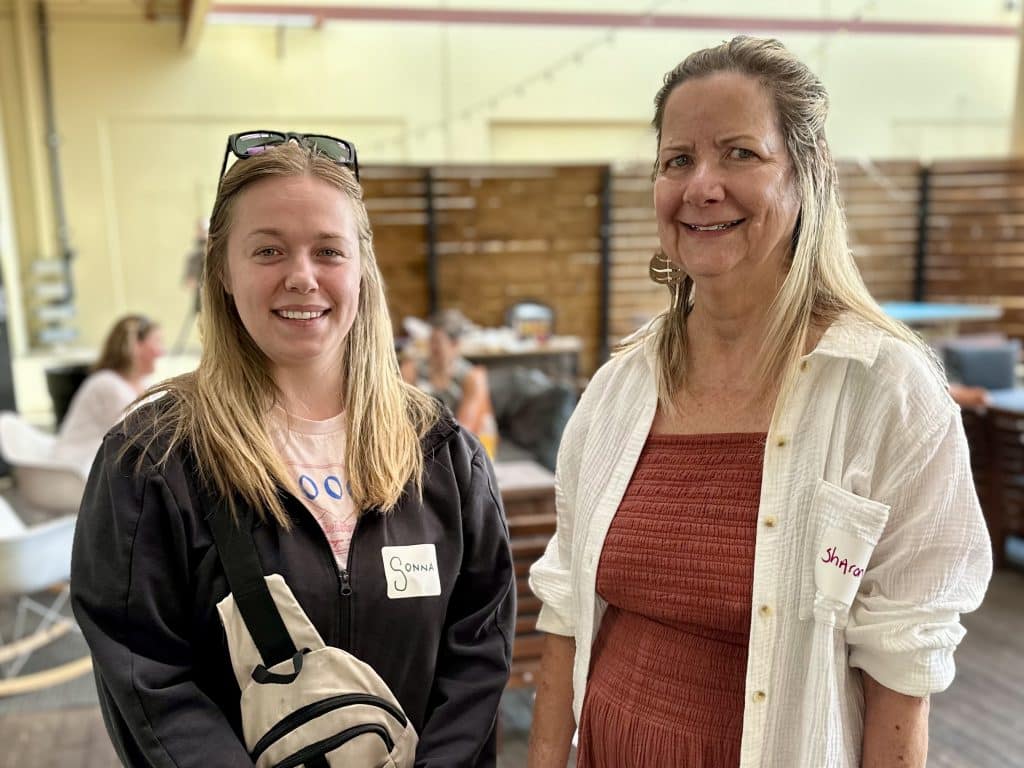
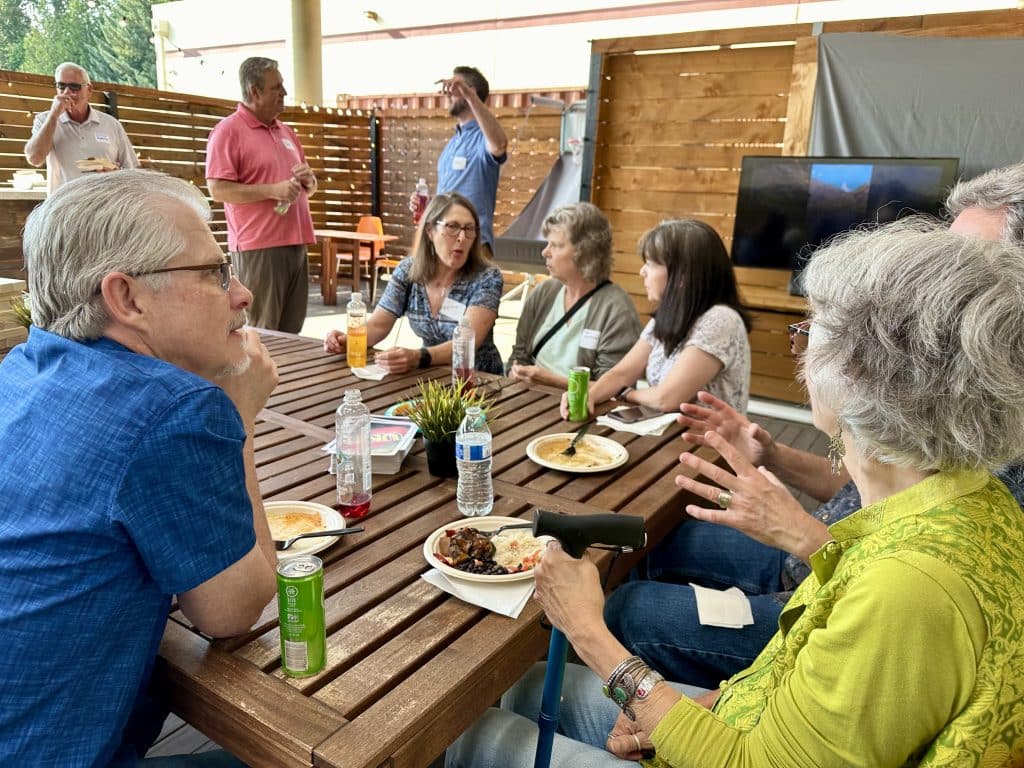
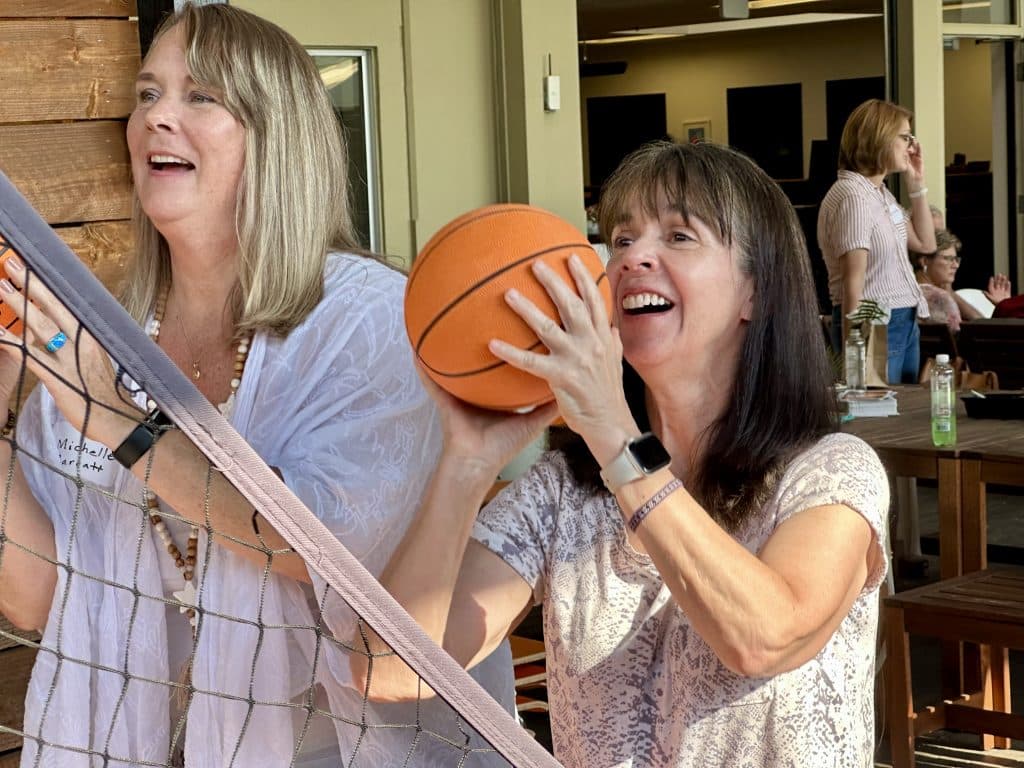
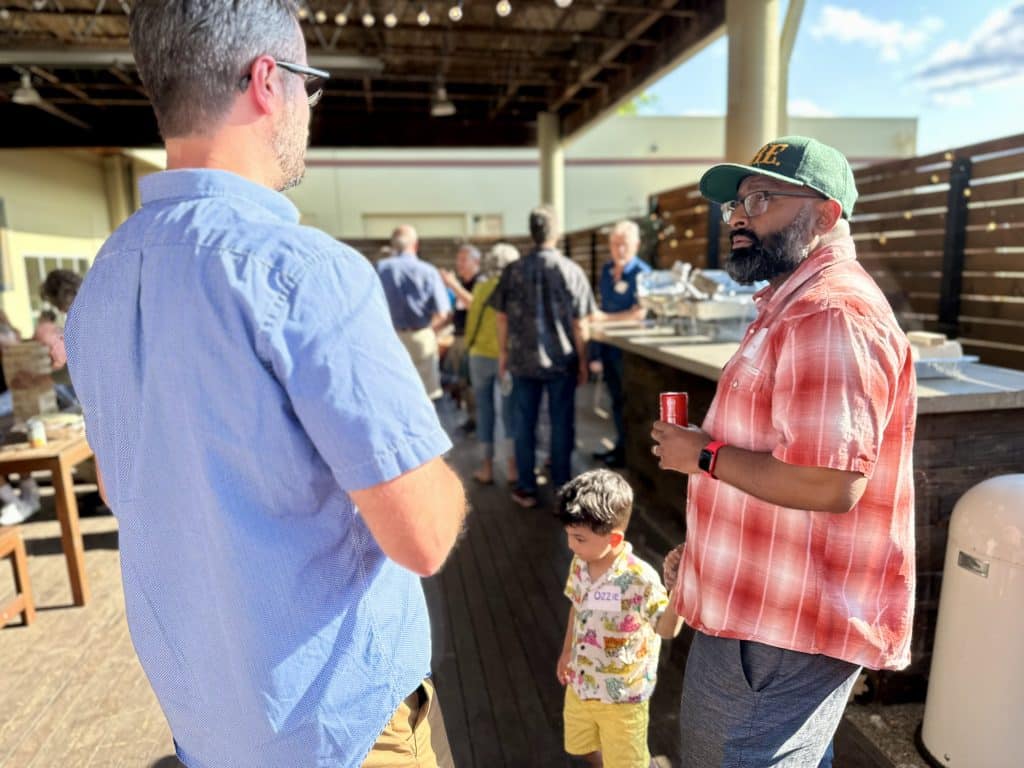
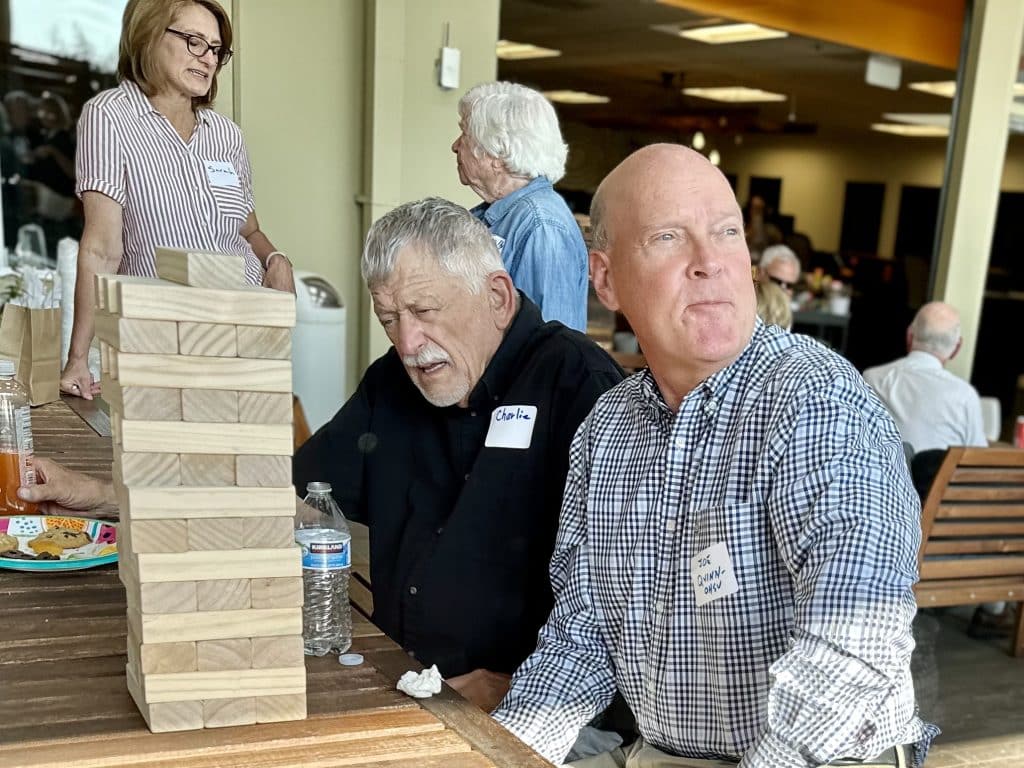
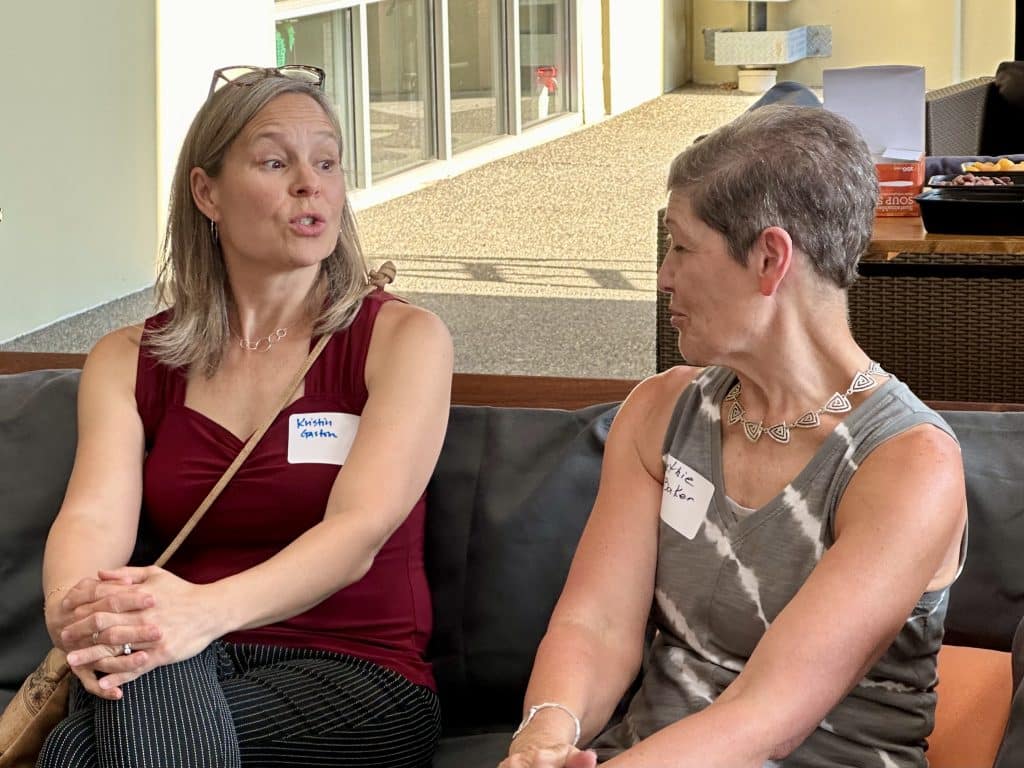
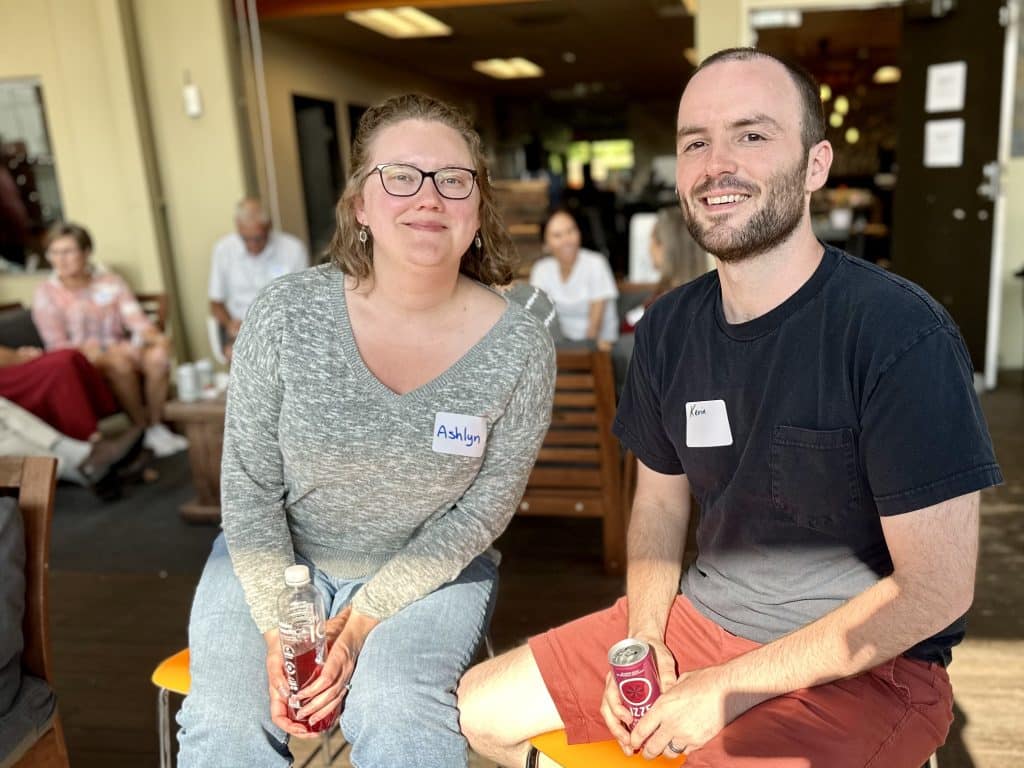
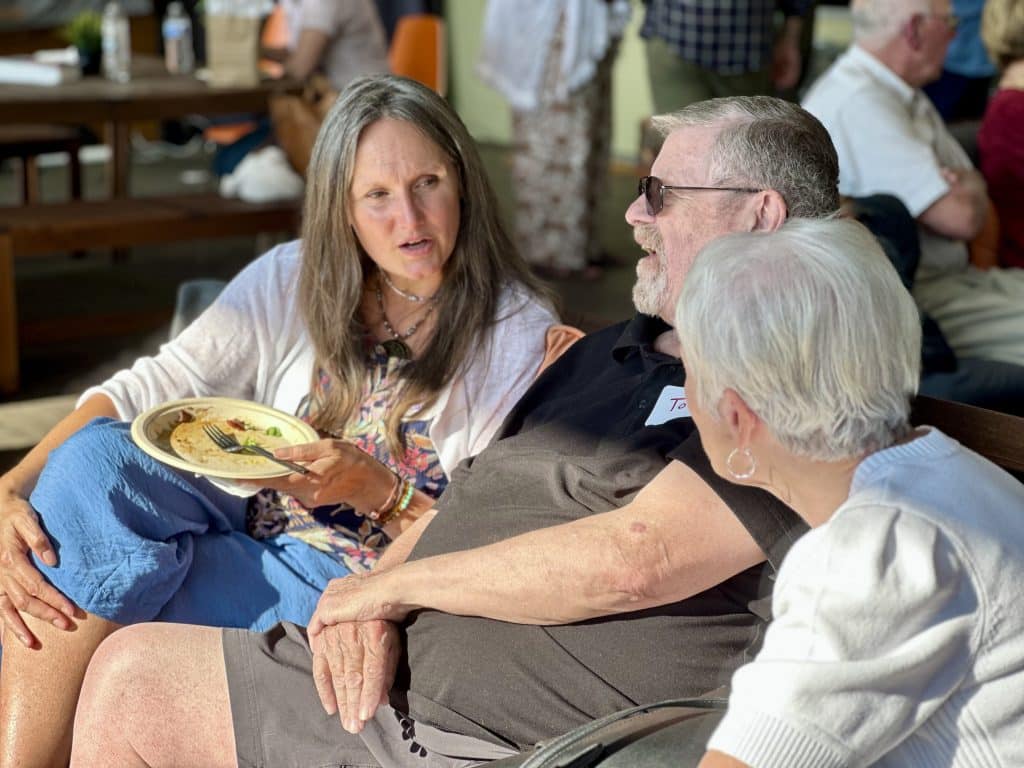
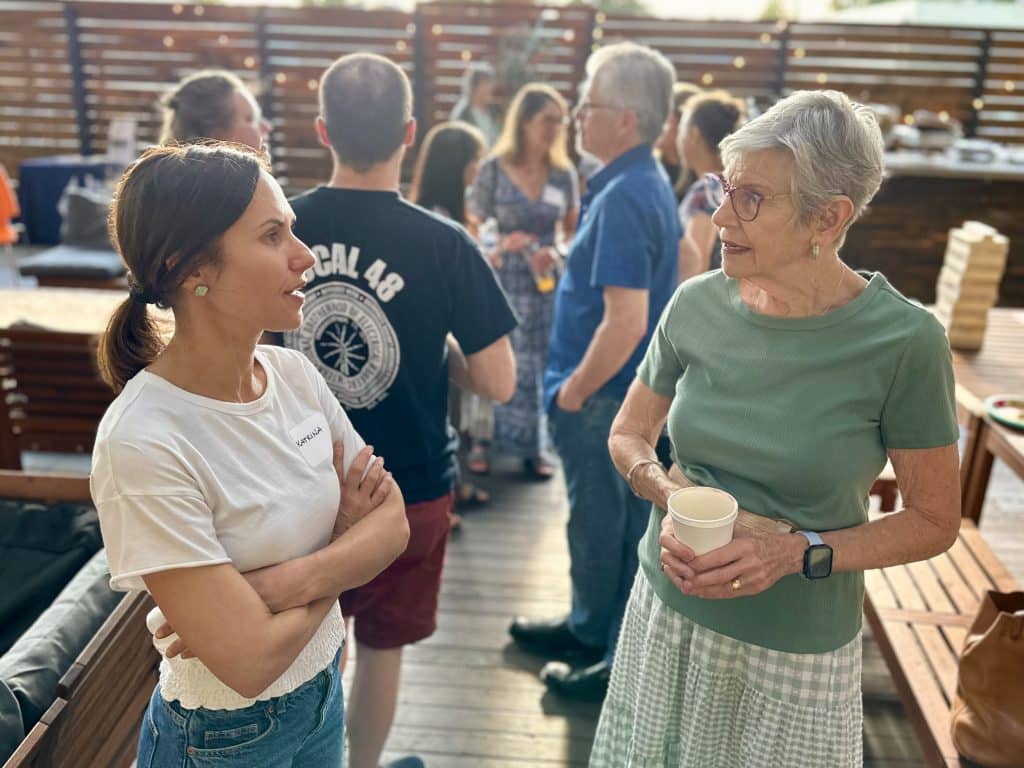
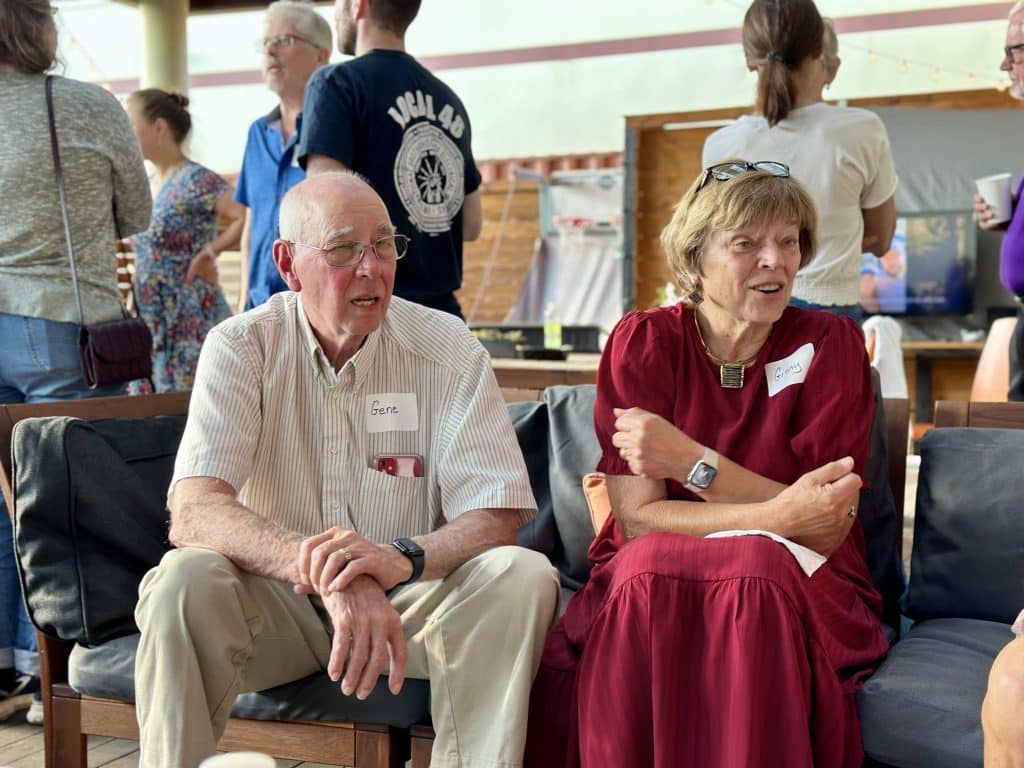
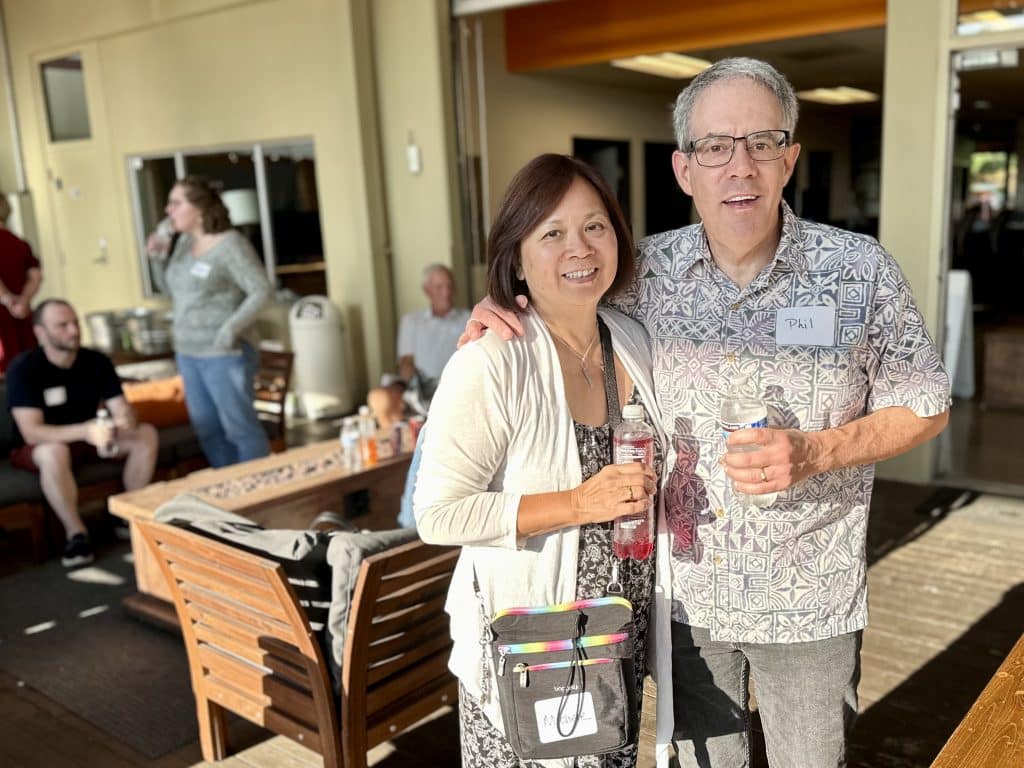
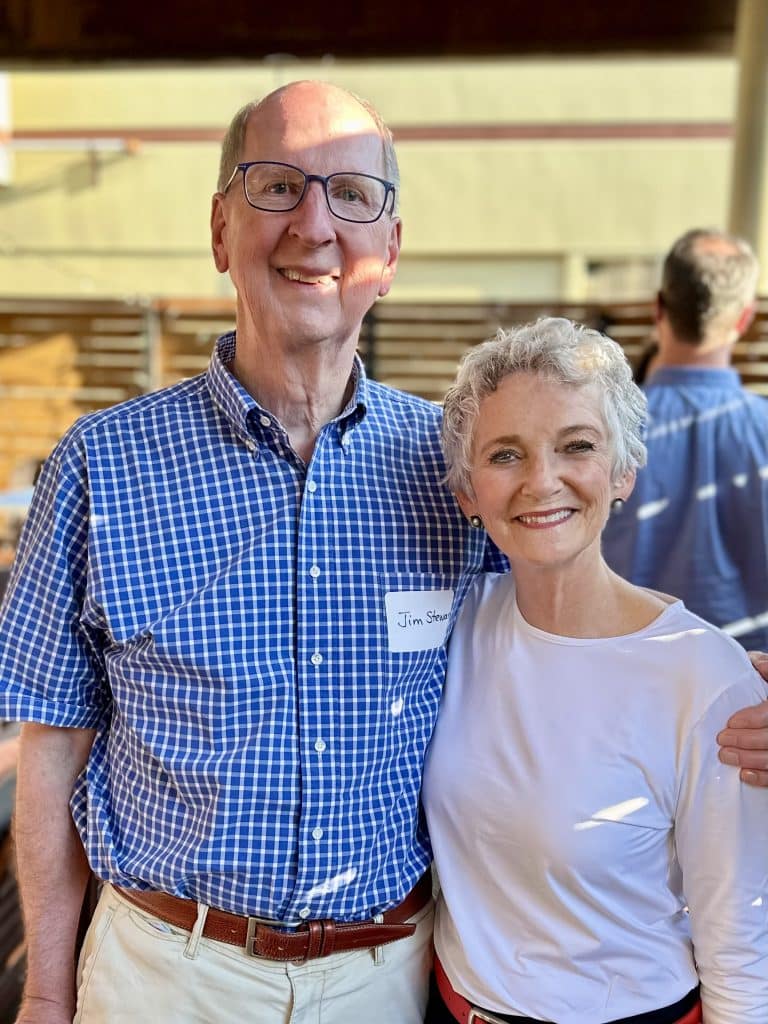
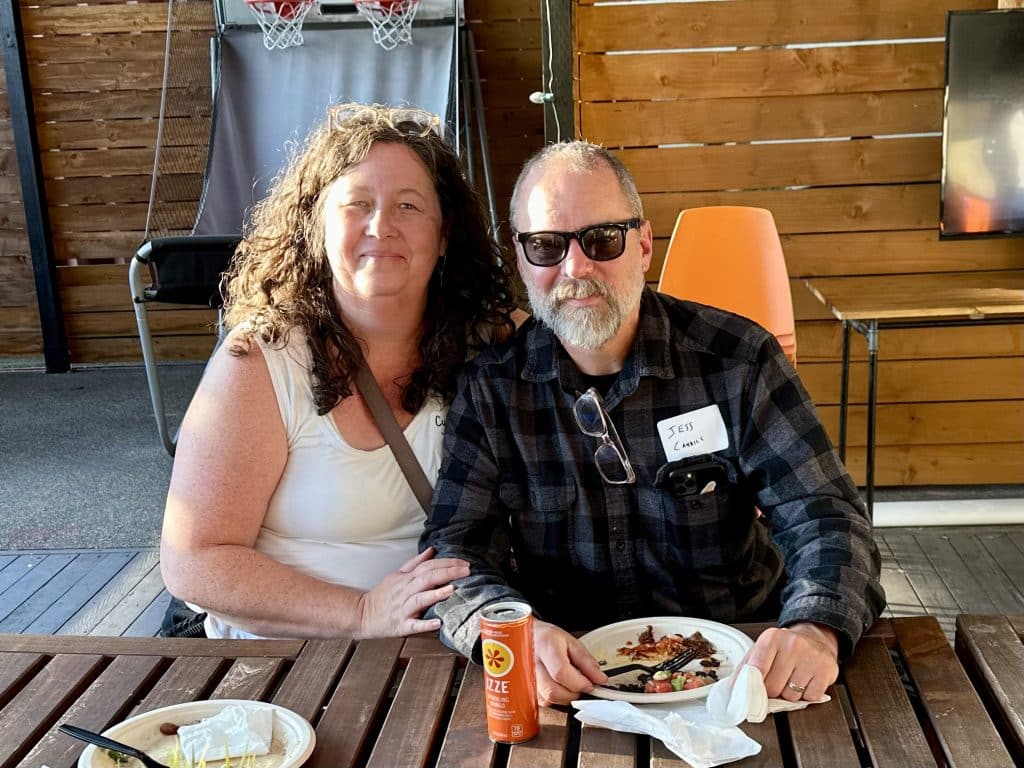
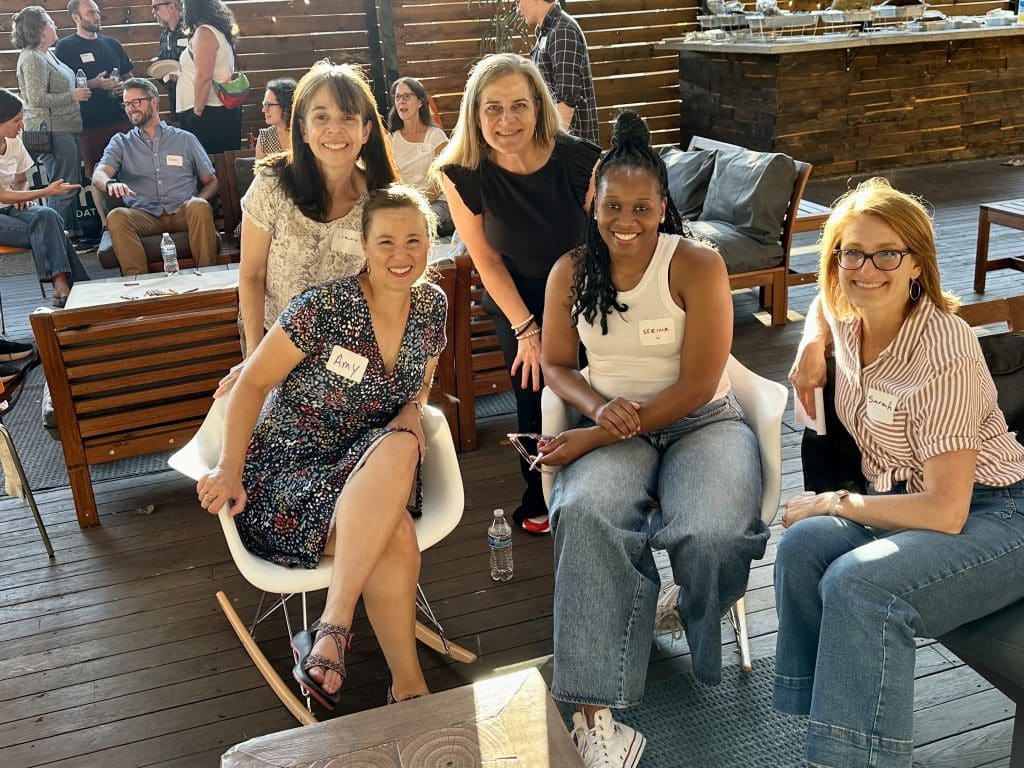
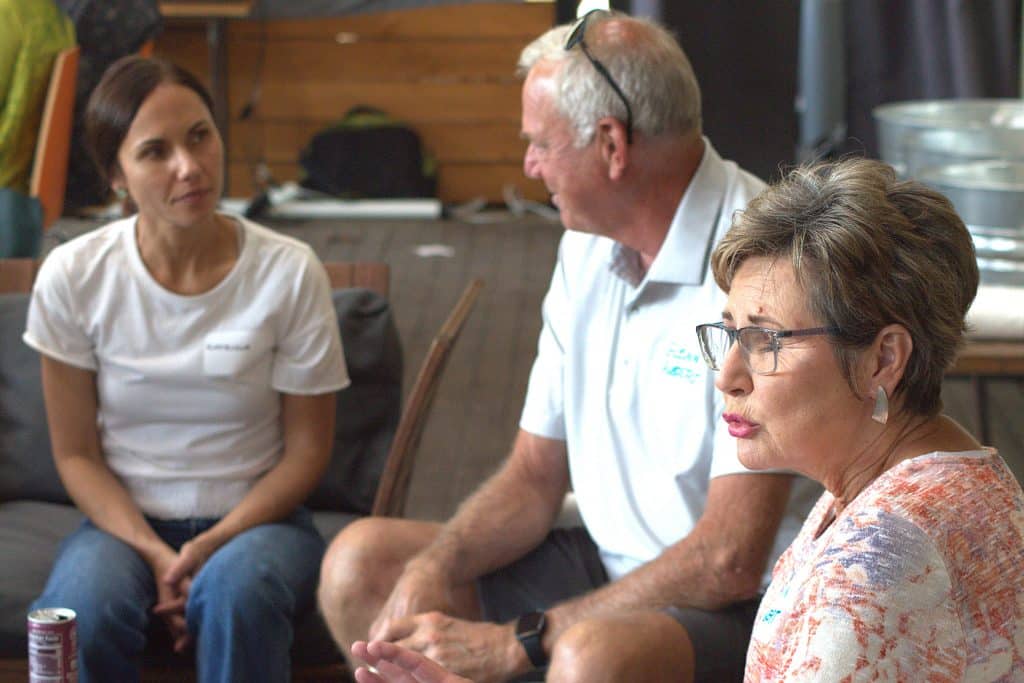
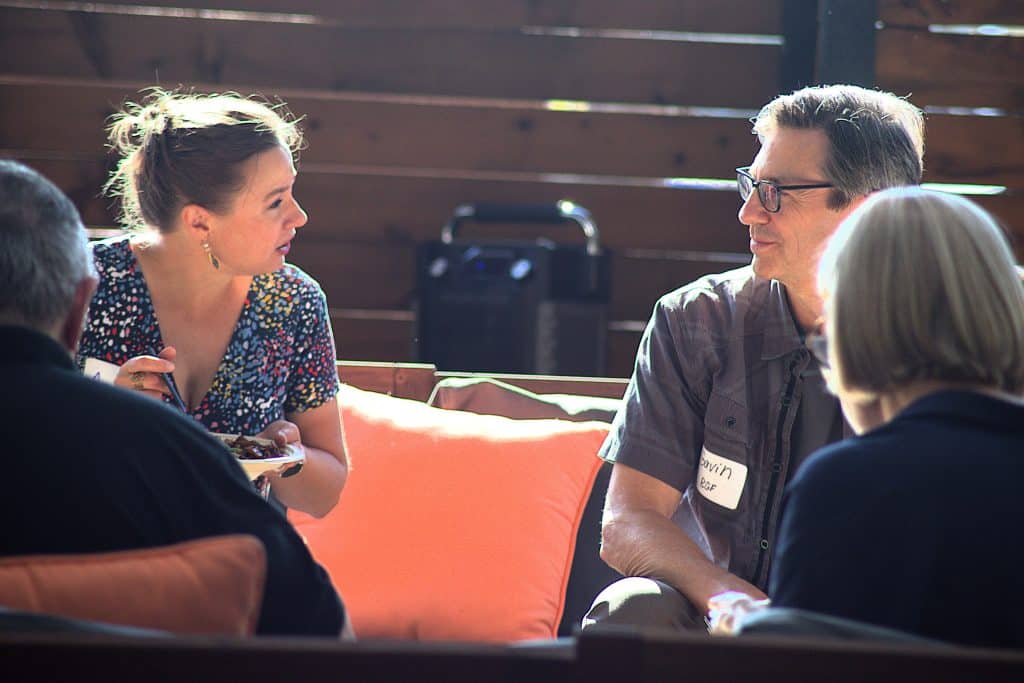
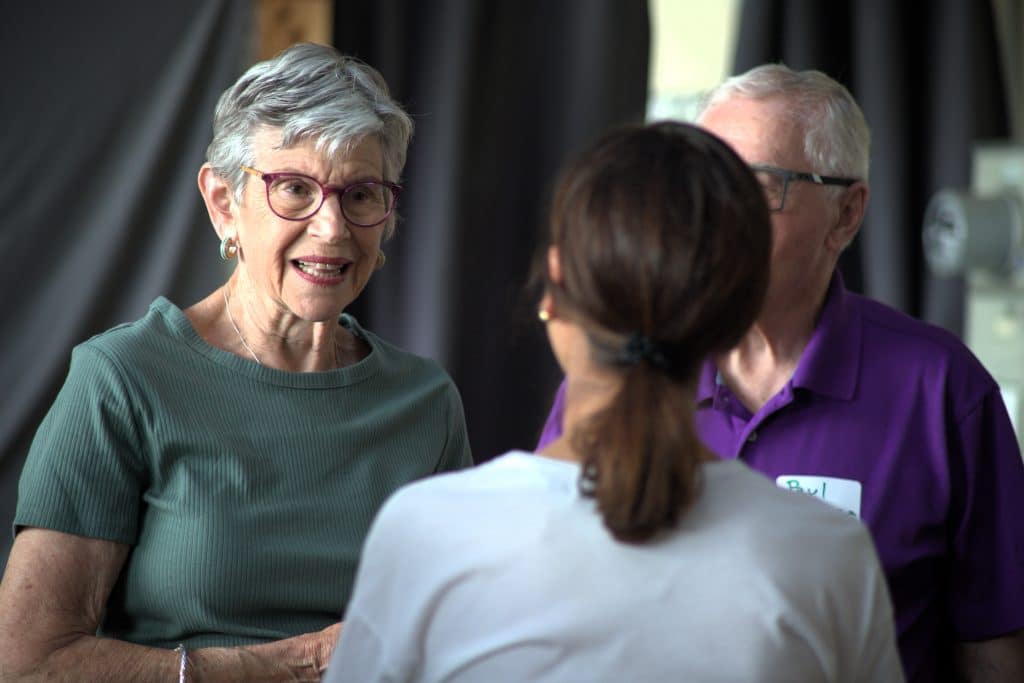
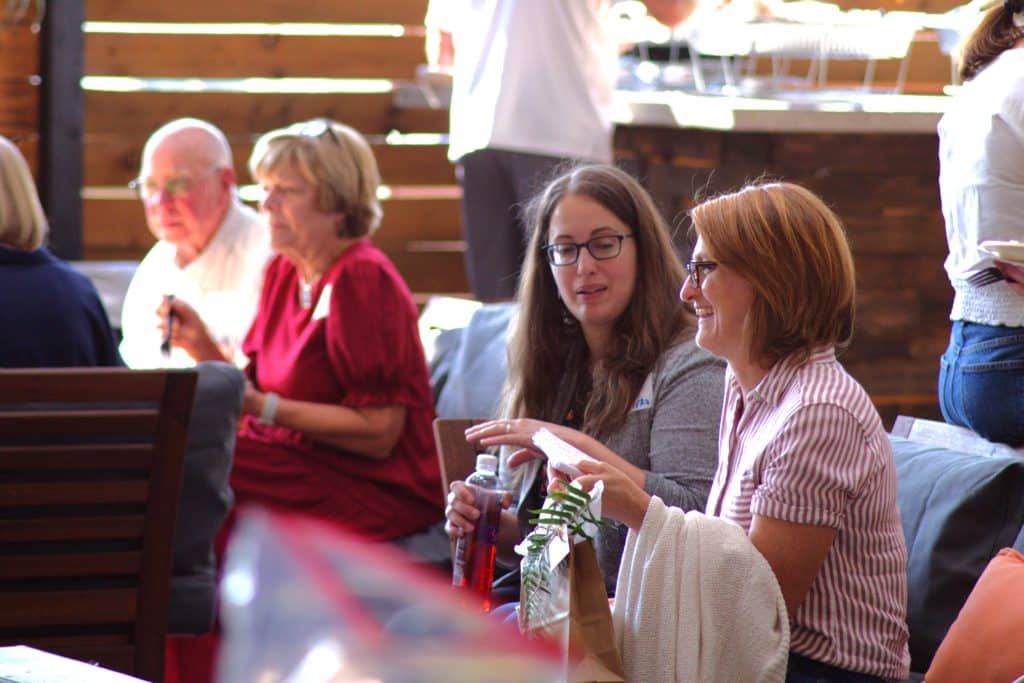
We loved seeing our friends and meeting new ones at the BGF Mix & Mingle gathering on Thursday, July 25, 2024. Being social is an important part of living well. We look forward to the next opportunity!
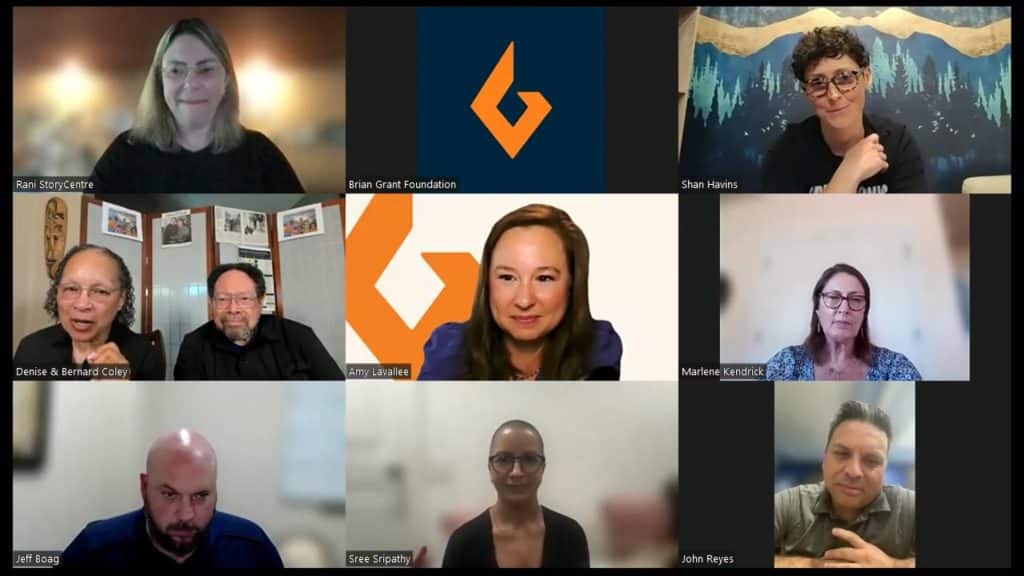
See the debut of the profound work crafted by people living with Parkinson’s and care partners during this year’s storytelling workshop. These short videos capture a personal and sincere glimpse into what life with Parkinson’s looks like for them. During this special webcast, we watched the videos then heard the stories behind the stories from the people who made them.
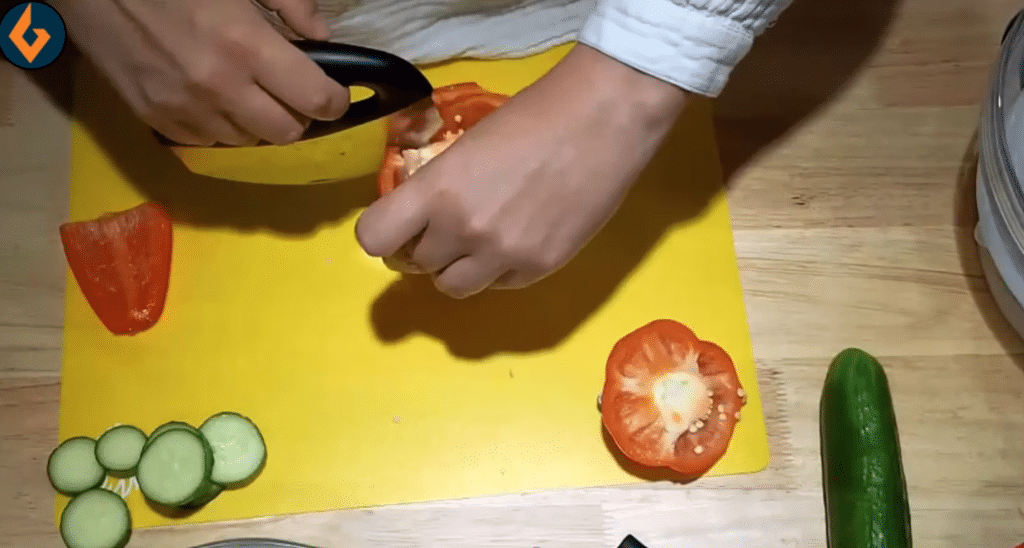
Cooking for people with Parkinson’s disease can present challenges in the kitchen, affecting a person’s ability to chop, stir, and maneuver around the stove.
The presentation was led by Christine Ferguson PhD, RD, CSG, Assistant Professor, Dietitian Education Program, Assistant Director at the University of Alabama at Birmingham. Dr. Ferguson will focus on solutions to make cooking easier for people with PD.
By Theresa Harczo, RN, Providence Brain and Spine Center, Portland, OR
Living in Oregon means living through four distinct seasons every year. Seasonal changes in temperature, sunlight, and activity can affect people with Parkinson’s in unique ways. Read on for tips to manage these changes and make the most of the summer months.
Be SUN responsible
Sun exposure is great for improving your mood, regulating your sleep cycles and emotions, boosting your immune system, and more. (Source 1)
Remember to protect yourself with options like SPF clothing, sunglasses, sunscreen, and lip balm.
For Parkinson’s, sun exposure can be a natural way to support your mental health.
Beat the HEAT and HUMIDITY
When temperatures and humidity levels rise, your body sweats more. Dehydration can lead to orthostatic hypotension (drop in blood pressure upon sitting or standing up). Replace this loss with adequate hydration.
Remember that hydrating foods can help! Many summer fruits and vegetables contain high water content. Avoid spicy food, caffeine, and alcohol to prevent complications of dehydration such as fatigue, confusion, urinary tract infections, etc.
Parkinson’s can affect your body’s ability to regulate temperature. Take cool showers and keep cool by visiting air-conditioned spaces like libraries, malls, and theaters.
Find the best time and place to EXERCISE
Don’t stop your movement routine when the weather warms up! Try exercising in the morning or evening to avoid overheating.
Air pollution is neurotoxic to the brain and can negatively affect dopamine. If air quality is poor due to smog or smoke, use indoor exercise facilities to remain active. (source 2)
When enjoying shaded parks or other natural spaces, people with Parkinson’s should choose appropriate walking paths for their balance and mobility.
Plan ahead and stay flexible for VACATIONS and other TRAVEL
Set yourself up for success by taking a vacation that matches your mobility and aligns with your interests. Consider requesting wheelchair transport between flights. Some airports offer free daisy lanyards which are recognized by airport staff in many countries that you may need some assistance. All to help improve your experience and return home with great memories!
Bring essential medications and supplies in carry-on luggage and consider time changes when planning medication doses.
Plans may change! Be aware that travel activities or climate conditions may change, which can affect your Parkinson’s symptoms. (Source 3)
Delaram Safarpour M.D., Associate Professor of Neurology at OHSU. Dr. Safarpour discusses dietary management and the role of the gut microbiome for people living with Parkinson’s disease.
Dr. Safarpour is the medical director of the Deep Brain Stimulation Program at OHSU. Her research focus is the effect of Deep brain stimulation in the treatment of movement disorders as well as gastrointestinal dysfunction in Parkinson’s disease. She oversees several clinical trials and has authored and co-authored several peer-reviewed articles and book chapters on gastrointestinal dysfunction in Parkinson’s disease as well as deep brain stimulation in the treatment of movement disorders.
Throughout the month of August, we’ll be sharing experiences and advice from women living with Parkinson’s. Join the conversation and add your voice to the discussion!
Coming Up:
August 7, 2024: Profile of the “Parkinson’s Diva” Maria De León Maria De León was a practicing movement disorder specialist when she was diagnosed with Parkinson’s disease. We talk with her about her experience as a specialist and a patient. Visit our blog page on August 7!
August 14, 2024: Experiences of Women with Parkinson’s Disease Webcast Amy Lavallee will moderate a panel discussion with Maria and Sree Sripathy about the unique experiences of women with Parkinson’s. Click HEREto register.
August 21, 2024: Tips from Women with Parkinson’s Sharon Krischer started writing the blog “Twitchy Woman, My Adventures with Parkinson’s Disease” in 2015. She writes about living well with PD from the patient’s point of view in a positive, sometimes humorous way. She will share her wisdom and advice from some of the many women with PD she has connected with over the years. Visit our blog page on August 21!
Next week I’m traveling to Washington, D.C. to take part in the Brain and Environment Symposium. I’m part of a panel on water talking about my time at Camp LeJeune as a kid. You’ve probably heard about Camp LeJeune from the PD community or commercials on TV talking about the water on the base that was contaminated with TCE. I’d seen the commercials, too, but it wasn’t until Dr. Ray Dorsey read my autobiography and reached out to me that I learned that my time at Camp LeJeune may have contributed to my Parkinson’s diagnosis.
At first, I had a hard time understanding how something that had happened decades ago when I was just a kid could’ve led to my diagnosis. But as I started learning more from Ray, it was actually a relief to start finding some answers. Since I was diagnosed 16 years ago, I’ve struggled to understand how I got this disease, especially at such a young age, and often times blaming myself. And though I understand that my exposure to TCE at Camp LeJeune is likely only one of the contributing factors to my diagnosis, it’s been helpful to me to have any answers to how I got Parkinson’s and to have some reassurance that maybe this won’t happen to my kids.
When Ray asked if I would participate in the symposium, I was nervous and wanted to say no. The truth is I don’t know a lot about science and a symposium about the brain and the environment with researchers and policymakers is out of my comfort zone. But Ray reassured me that my role is to tell my story so that people understand why it’s important to stop using chemicals like TCE. He said that change only happens when people like me stand up and tell our stories. If I can play any role in helping future generations avoid getting diseases like Parkinson’s, I will. I hope you’ll join me.
To learn more about the Brain and Environment Symposium happening on Monday, May 20, 2024, visit brainandenvironment.org.
The Brian Grant Foundation is a proud partner of advocacy efforts that are working to ban or reduce environmental toxins linked to Parkinson’s disease. Here are some actions you can take today to join us in these efforts:
Join PD Avengers, a global, patient-led advocacy organization working to end Parkinson’s at pdavengers.com.
Take action on policies that affect the Parkinson’s community by visiting the Unified Parkinson’s Advocacy Council (led by The Michael J. Fox Foundation) at michaeljfox.org/contact-your-policymakers.
Brought to you by AbbVie, Amneal, CND Life Sciences, Providence Brain and Spine Institute, and StrivePD.
Cognitive decline is a symptom of Parkinson’s disease that’s gaining more attention for its impact on quality of life. For Mental Health Awareness Month, Dr. Joel Mack talks about cognitive issues in Parkinson’s and ways to improve them.
Joel Mack MD is a Psychiatrist with the NW Parkinson’s Disease Research, Education and Clinical Centers at the Portland VA Medical Center.