June 29, 2026
Art is often regarded as something reserved for people with special talent and training. In reality, it is a form of communication, and many of us use it to turn our feelings, thoughts, and experiences into something meaningful.
For those living with Parkinson’s, art can be especially beneficial. It offers a space to focus on imagination and creativity, which is great for stress-busting, mood-lifting, and social connection.
Art as self-expression
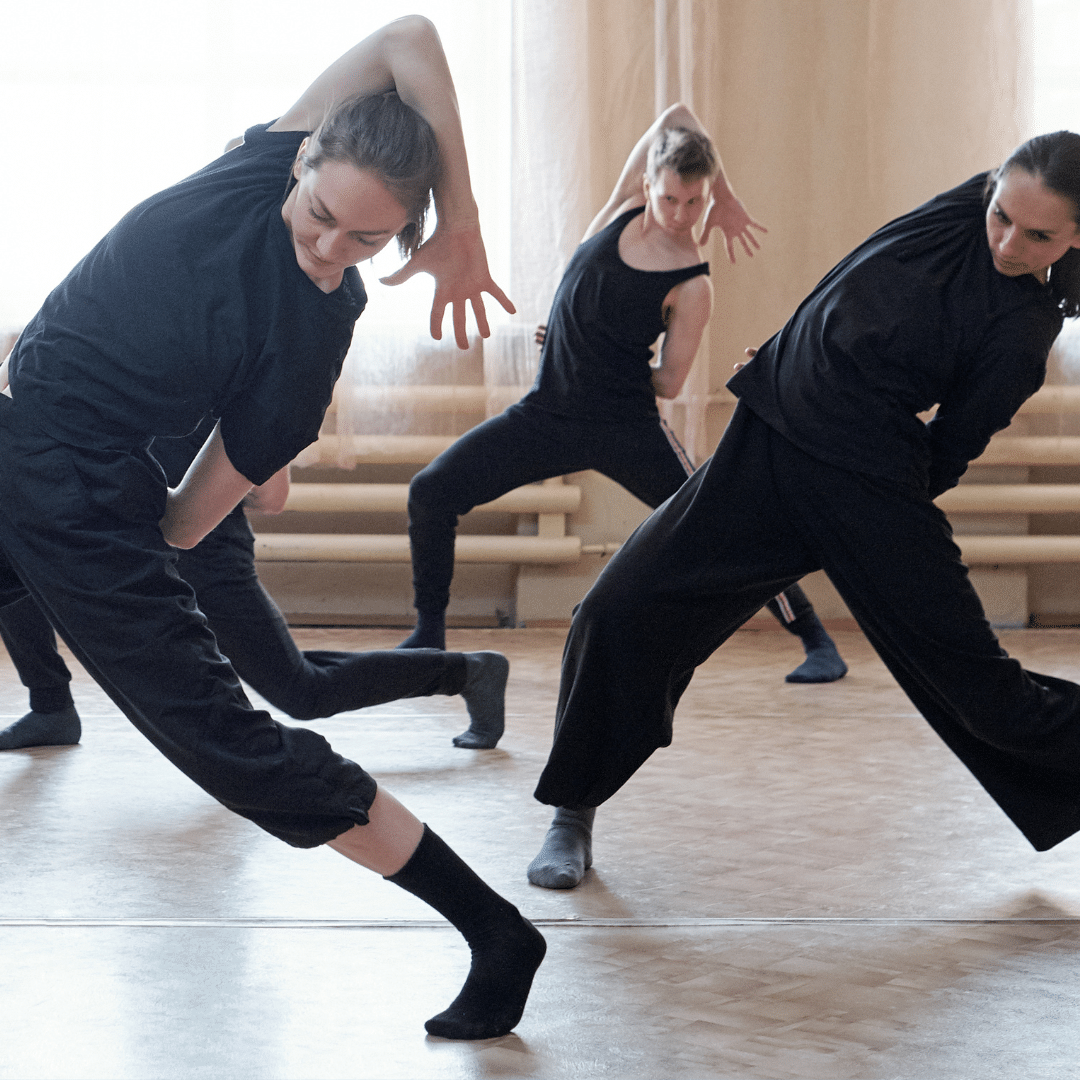
A brushstroke, poem, song, photograph, or dance can convey grief, humor, hope, memory, and beauty in ways that plain speech never could. Art provides another language. One that is intuitive and cerebral, and may even unearth some of your deepest feelings. If this sounds intimidating, remember that creative expression does not have to be polished or shared publicly. Its value often comes from making something that feels authentic. Art can be a wonderful path to self-discovery!
Start small
Art does not require a major commitment. Try five or ten minutes a day. Keep a notebook, colored pencils, watercolor set, camera, or voice recorder within easy reach when you have some leisure time. Choosing tools that feel comfortable and appeal to you increases the likelihood that you’ll use them. The goal is a moment of expression when inspiration strikes. This may lead to drawing shapes while listening to music, writing a few short lines that describe your day, photographing an interesting subject nearby, or singing a favorite song. Follow your instincts and let ideas flow through you.
Forget perfection
One barrier to creativity is the belief that the result has to be impressive. It does not. Many brilliant artists are not formally trained and have unique traits that influence their techniques. Imperfections do not make the work less meaningful. Instead of asking, “Is this good?” ask, “How did this feel?”
Support routine
Pair creativity with an existing habit. After breakfast, sketch something. While on your daily walk, focus on your surroundings and look for an interesting photo opportunity. During a daily chore, listen to music and embrace the mental images it inspires. As you wind down in the evening, choose one image, motif, or piece of music that captures your imagination and think about how you might translate it to another medium. Don’t let it become stressful. Oftentimes the best ideas come from a relaxed mind that isn’t working too hard.
Create with others
One of the biggest rewards of creating art is building a bridge to the community. Classes, programs, workshops, and informal gatherings centered on artistic pursuits connect likeminded individuals who all want to explore their creativity. They can offer connection without pressure to perform, and are often inclusive spaces that welcome diverse perspectives. Family members and care partners can participate as well. You never know what you might discover about yourself or what new friends you might meet! The myth of the lone artist rarely reflects reality. Most artists enjoy collaborating with one another and sharing ideas.
Notice the ordinary
Creativity extends beyond the act of creating. It means being intuitive and reflective. Problem-solving and paying attention to your environment exercises your creative muscles before you ever pick up a pencil, brush, or camera. Artists observe the world around them: the color of the sky, the rhythm of footsteps, the texture of a blanket, the sound of rain, and the expressions on the faces of strangers are all daily sources of inspiration.
Ready to jumpstart your creativity? Join us for Craft and Chat every month!